.webp)
.webp)
I’ve sat in many supplier meetings in India with European and Japanese teams. The format is familiar...
April 14, 2026
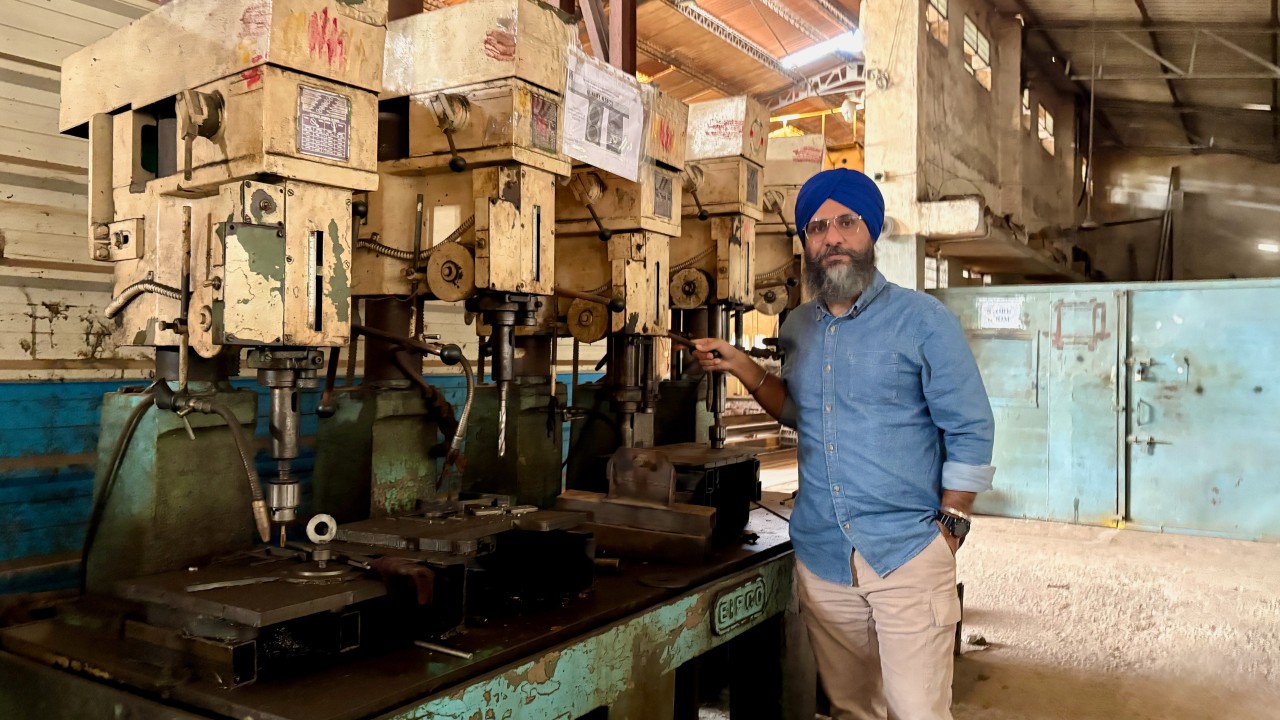
I’ve sat in many supplier meetings in India with European and Japanese teams.
The format is familiar.
And by the end of the meeting, it often feels like:
“This supplier is doing quite well.”
But then something interesting happens.
In one recent visit with a European team, we stepped out of the meeting room and spent some informal time with the supplier.
No slides. No structure. No pressure.
And slowly, the tone changed.
Nothing dramatic. But enough to realise:
The meeting hadn’t shown us the full picture.
This isn’t about suppliers hiding things.
In many cases, it’s about how interactions are shaped.
In India:
So what you hear in the meeting is often: the expected version of reality
Not always the complete version.
From what I’ve seen on the ground, they emerge when:
In another engagement, while speaking to workers outside formal structures, their experiences were very different from what was presented in management discussions.
And in a factory where we supported a grievance mechanism, it took months before workers felt comfortable raising concerns— even though the system was already in place.
Many teams visit suppliers with:
But this often leads to: seeing what is presented not what is experienced. And that’s where risks remain hidden.
Not more questions. Not more checklists.
But a shift in approach:
Because that’s when suppliers start sharing what actually matters.
If your last supplier visit felt smooth, well-managed, and complete…
It might be worth asking:
What did we not hear?
If you’re navigating supplier engagement or Human Rights Due Diligence in India, I’d be interested to exchange perspectives.
Often, small changes in how we engage can make a big difference in what we understand.

Your ESG goals are clear, but ground-level execution is stalled. Get the on-the-ground expertise to translate your vision into tangible actions and lasting change.
Book a Discovery Session
.png)


