.webp)
.webp)
You've built the framework. Written the policy. Designed the assessment. And still, nothing is actually changing on the ground.
June 2, 2026
You've built the framework. Written the policy. Designed the assessment. And still, nothing is actually changing on the ground.
The resistance usually isn't the supplier. It's internal and it starts the moment people don't understand what they're being asked to participate in.
For suppliers, human rights due diligence sounds like an investigation.
For local procurement teams, it feels like criticism of relationships they've spent years building. When the purpose is unclear, resistance is the natural response.
A UK company I worked with had reached this exact point, months of effort, very little traction. Before attempting another assessment, they paused and invested in awareness building.
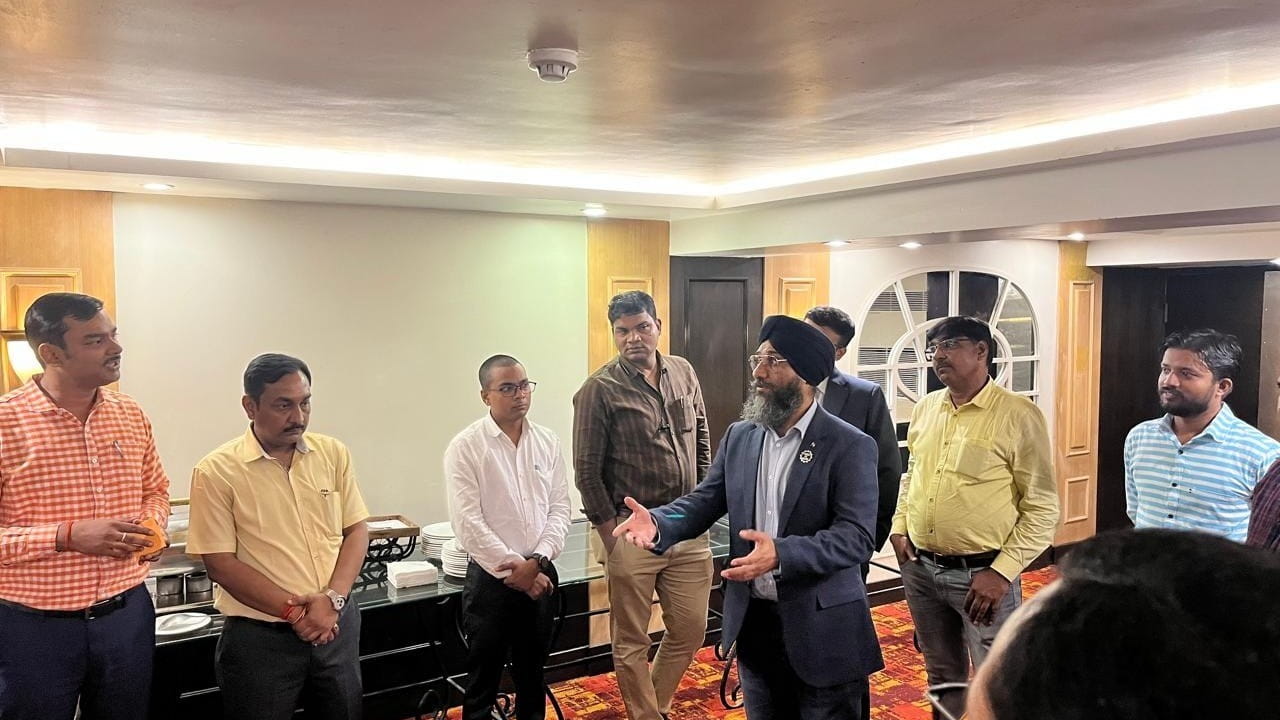
Procurement managers, buyers, and key suppliers joined Human Rights Due Diligence sessions not compliance training, but conversations about why this work matters and how it connects to stronger supply chains.
The shift was tangible. People stopped treating it as something being done to them and started engaging with it as something worth doing together.
1. Build trust before you collect data. European companies I've worked with start with listening not auditing. A series of honest conversations about suppliers' own challenges builds more trust than any checklist.
2. Stop accidentally sounding like an auditor. If the first email requests documents, the first call covers gaps, and the first visit has a checklist, it's an audit. Approach with curiosity, not inspection.
3. Bring a local bridge into the room. Someone who understands both global expectations and Indian business realities changes the conversation entirely. Walls come down. Real information comes forward.
The companies that finally break through in India stop leading with assessments and start leading with understanding.
That's what makes the work feel worth it again. Not another report filed. Actual visibility. Actual change.
If you're feeling the gap between the effort you're putting in and the change you're seeing — especially across supply chains in India, I'd welcome a direct conversation. This is exactly the work I do on the ground with European and UK companies.

Your ESG goals are clear, but ground-level execution is stalled. Get the on-the-ground expertise to translate your vision into tangible actions and lasting change.
Book a Discovery Session
.png)


