.webp)
.webp)
As European due diligence expectations increase, more managers are visiting suppliers in India...
March 24, 2026
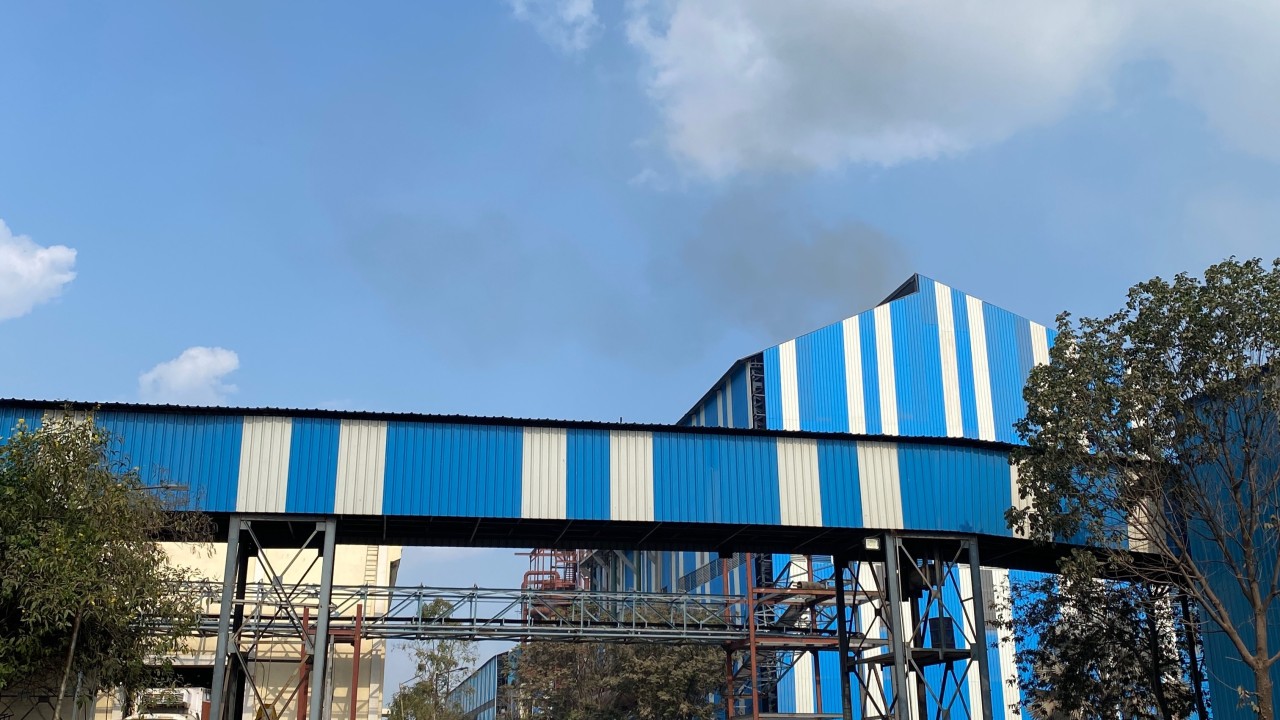
As European due diligence expectations increase, more managers are visiting suppliers in India. Many come well-prepared with audit questions and documentation checklists.
That preparation matters.
But in India, the most valuable insights often come from what you observe beyond the checklist.
After accompanying European teams across supplier visits in India, here are a few things that consistently help managers see the real picture—quickly, respectfully, and practically.
Workplace culture shows up in small interactions:
This tells you a lot about trust, fear, and whether systems are likely to work in practice.
Many sites have systems on paper—grievance mechanisms, safety committees, trainings.
The key question is simple:
Does it work for people in daily life?
Ask:
This is where you find the real gaps.
Some of the most common patterns are “audit-ready” measures:
When you see these, don’t jump to blame. Treat them as signals: the system was built for verification, not for function.
That is an implementation opportunity.
In many Indian supply chains, risk sits in:
Ask:
You cannot understand risk fully without seeing this layer.
Many improvements require investment—time, people, training, equipment.
A practical question:
This shifts the conversation from compliance to partnership.
In India, relationships matter. When trust is built, suppliers open up. When conversations feel transactional, suppliers protect themselves.
A good visit balances:
This is how you create honest conversations—and real progress.
A supplier visit can be a verification exercise.
Or it can be the start of a long-term, trust-based relationship that actually reduces risk.
In India, the best visits happen when European expectations meet local reality—with the right bridge between the two.
Series: Making Due Diligence Work in India (EU–India Supply Chains)

Your ESG goals are clear, but ground-level execution is stalled. Get the on-the-ground expertise to translate your vision into tangible actions and lasting change.
Book a Discovery Session
.png)


