.png)
May 12, 2026
What works with suppliers in India, from my on-ground experience
.avif)
.webp)
.png)
.webp)

A 12-month advisory for Sustainability, Human Rights and Procurement leaders who need experienced, on-ground guidance to translate ESG and HRDD strategy into real outcomes across factories and suppliers in India.
Ben Thornton-Jones
Ex- Director, Sustainable Supply Global Sustainability, Haleon
.png)






Already serving clients from these countries







.jpeg)


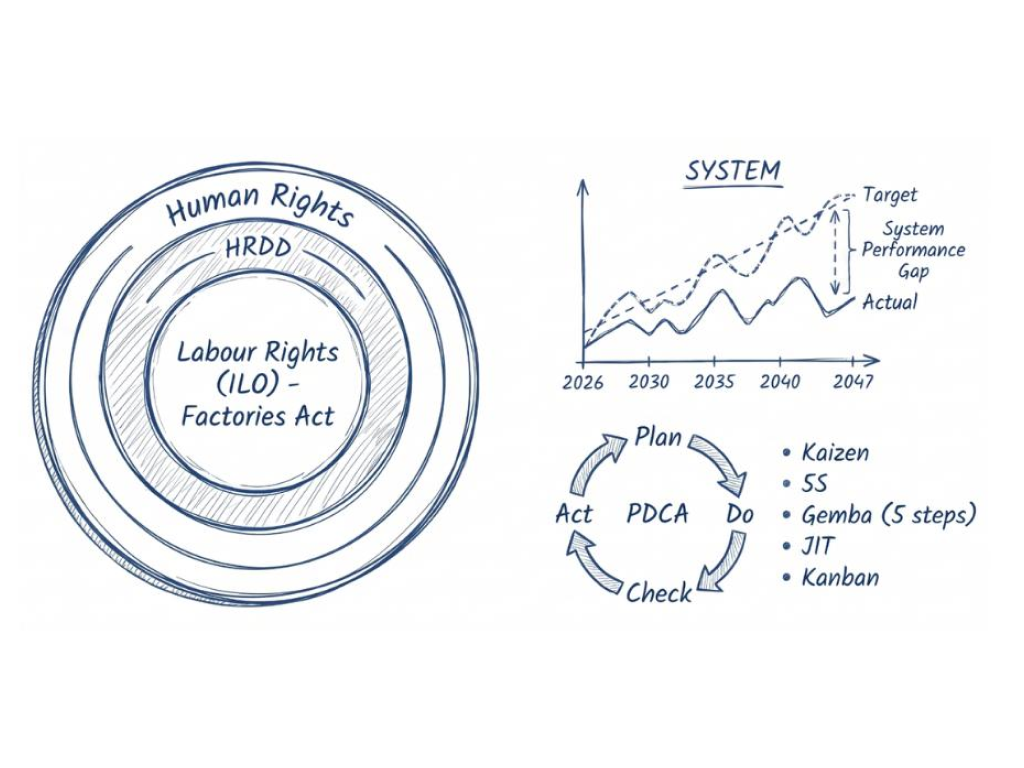
Environmental systems are structured and measurable. Human rights and social risks are different — less visible, harder to quantify, and deeply linked to behaviour, culture, and trust. What worked for environmental management does not automatically translate here. Many organisations are still working out how to navigate this shift in practice.
As operations and sourcing expand, so does exposure — more suppliers, more workers, more complexity. Expectations from investors, regulators, and leadership are rising. But visibility into what is actually happening rarely keeps pace. What shows up in audits is often only part of the picture. The real risk sits in what is not being seen clearly.
Frameworks are in place and requirements are defined. But when it comes to implementation, guidance becomes less practical. Factory teams and suppliers are left to interpret what global expectations mean in real situations. Legal clarity does not always lead to operational clarity — and this is where progress begins to slow.
Strategy is designed at headquarters. Implementation happens across factories and suppliers in India. These are very different environments, with their own cultural dynamics, communication patterns, and operational realities. What looks well designed at a global level can struggle when applied directly on the ground — not because the strategy is wrong, but because it has not been adapted to how things actually work.
Audits, dashboards, digital systems, AI-driven insights — these are useful, but they have limits. They show what is documented, not always what is experienced. They do not capture what is not being said, or why issues keep repeating. Real understanding still depends on human engagement, context, and interpretation.
The meeting is designed for agreement, not understanding. The pressure to say yes, to protect the relationship, to keep the contract — it shapes every answer in that room. The real constraints, the ones that determine what actually changes after you leave, rarely make it onto the table.
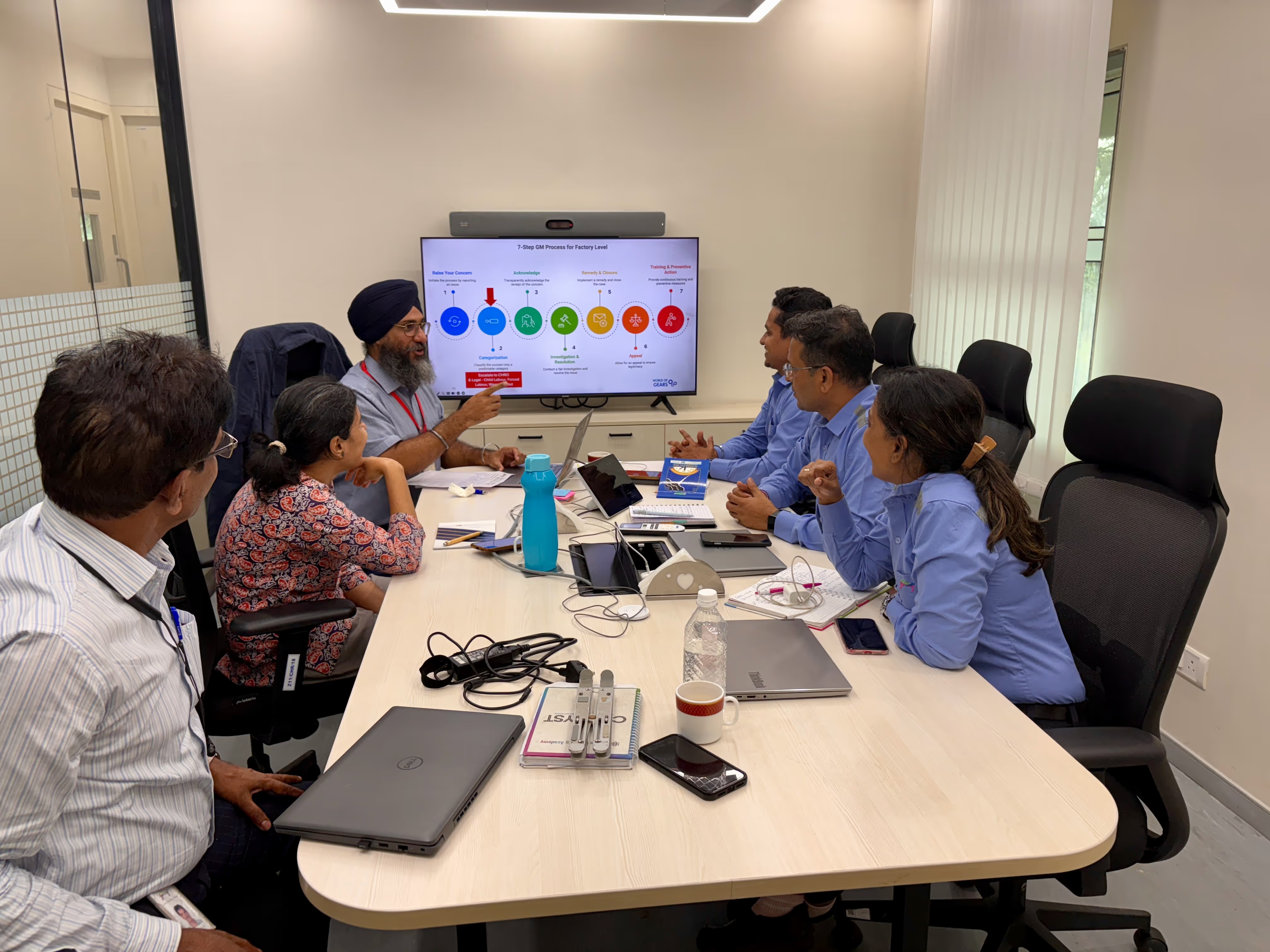
Forms get completed. Photographs get taken. What doesn't happen is a frank conversation about what's going wrong, why it keeps going wrong, and what it would actually take to fix it. The gap between what's documented and what's real stays exactly where it was.
The EU's Corporate Sustainability Due Diligence Directive, the German Supply Chain Act, the UK Modern Slavery Act — these aren't future considerations. The question your board and investors are now asking isn't whether you conducted a supplier visit. It's what you found, and what changed as a result.
.png)
.png)
You manage ESG or human rights responsibilities across operations or suppliers in India
You have a strategy in place but on-ground progress feels slow or unclear
Audits and reports exist — but you still don't have confidence in what's actually happening
You need someone who understands both leadership expectations and on-ground realities
You're moving beyond compliance into genuine supplier engagement and improvement
You want a consistent advisor, not a rotating team or templated programme
.png)
The focus is primarily on audits, certifications, or checklist compliance
You need formal legal interpretation without on-ground implementation
The priority is external reporting or image over real change
Supplier relationships are purely cost-driven with no intent to engage beyond contracts
You're looking for a large consultancy with a standardised programme
Responsibility is expected to be fully outsourced rather than owned internally
.png)
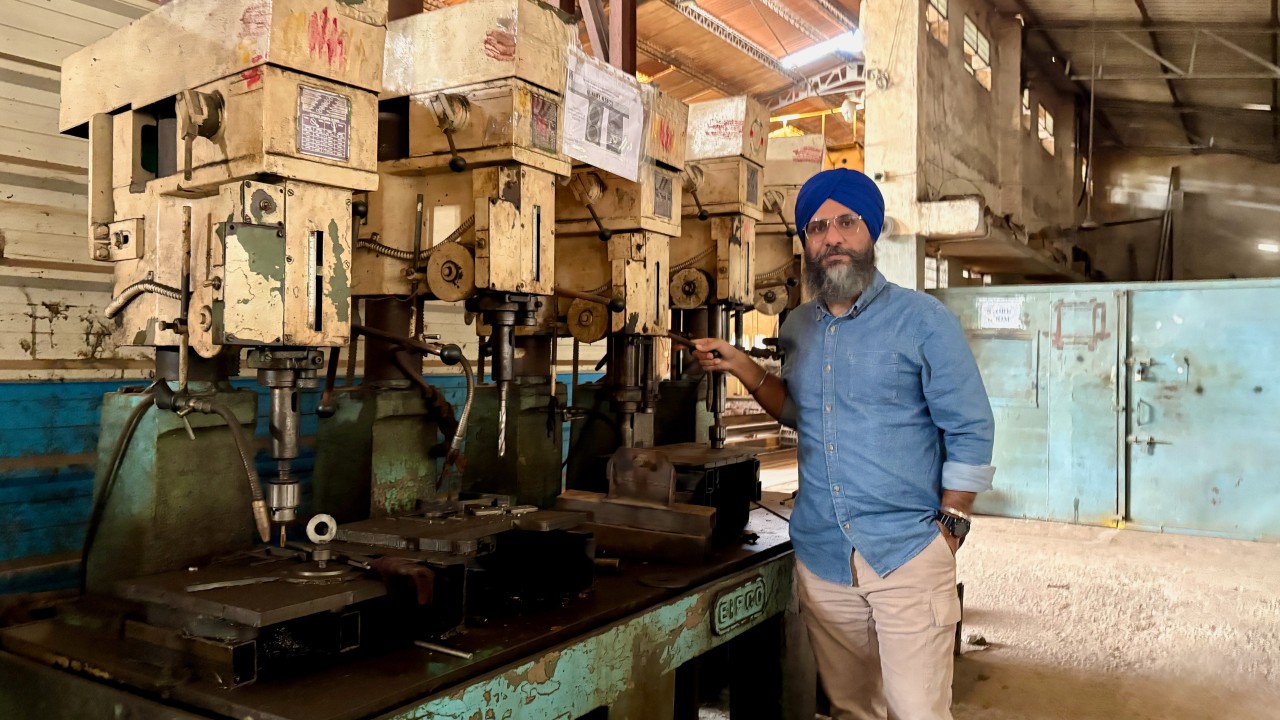
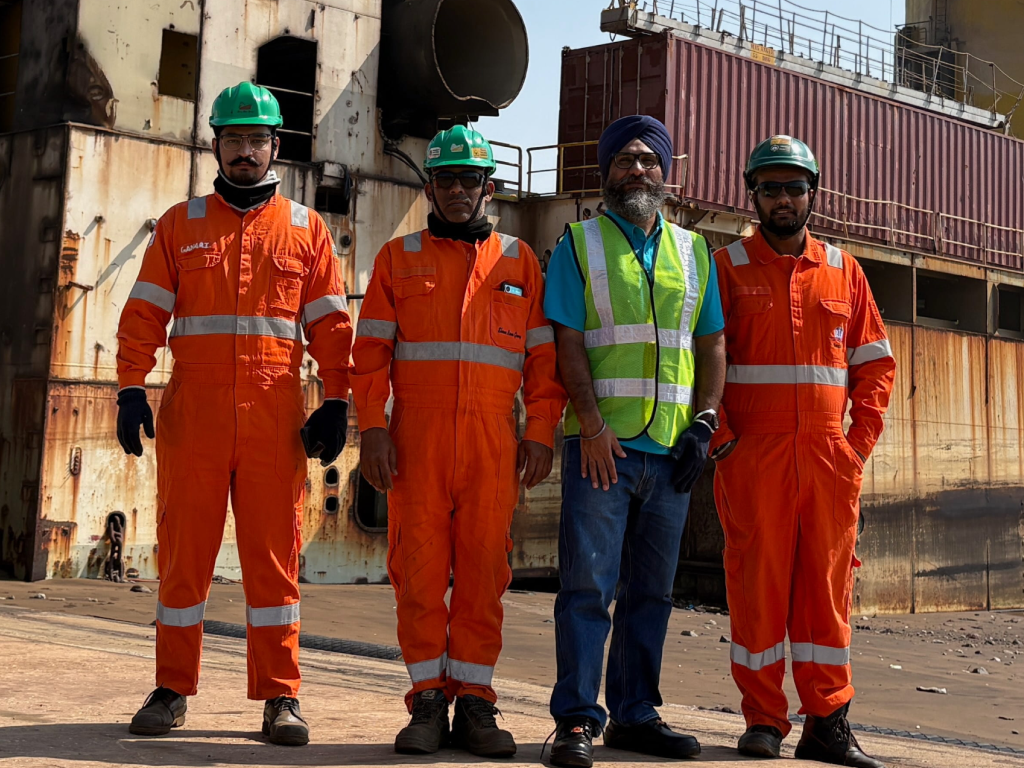
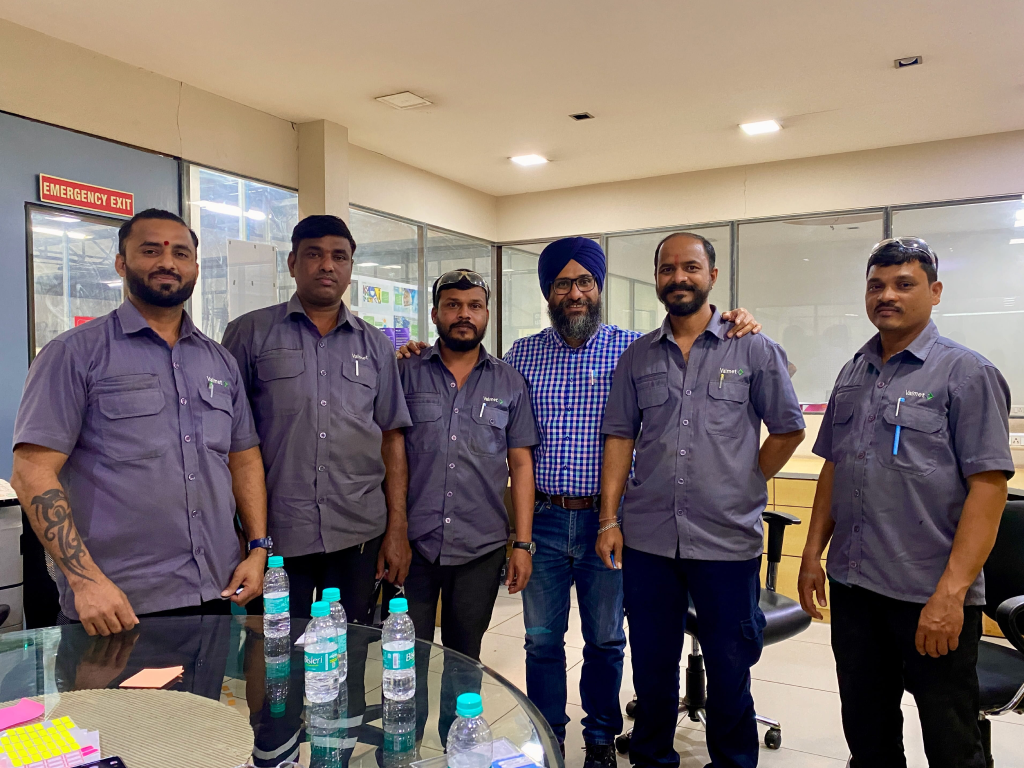
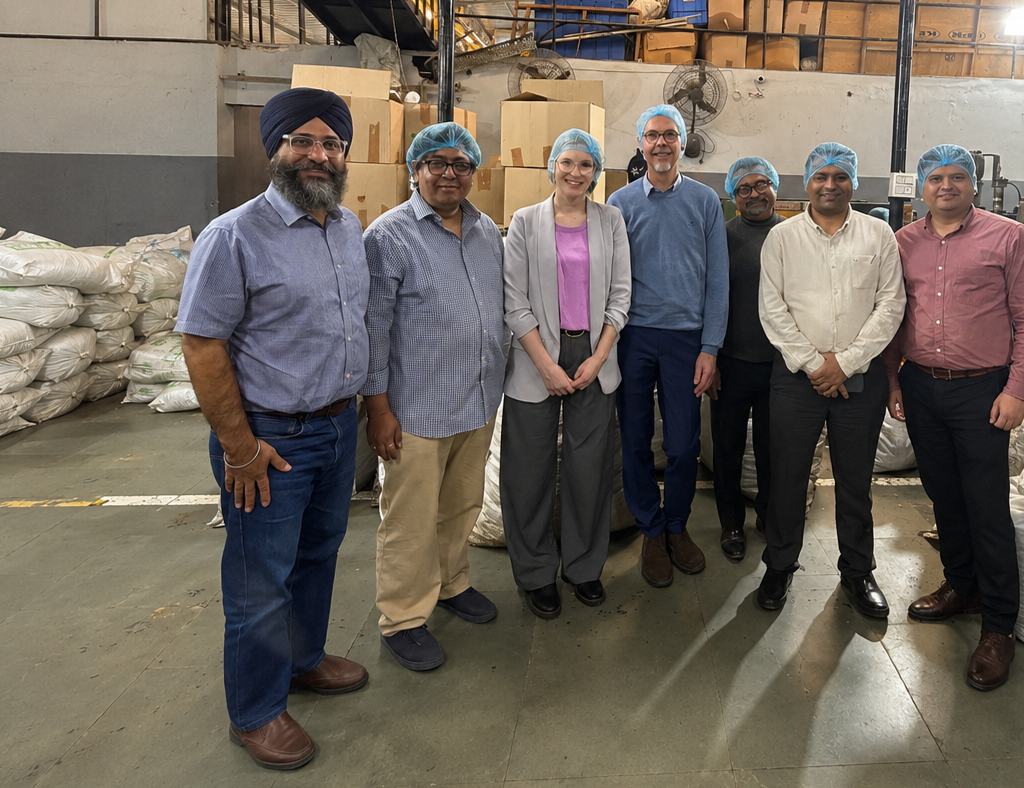
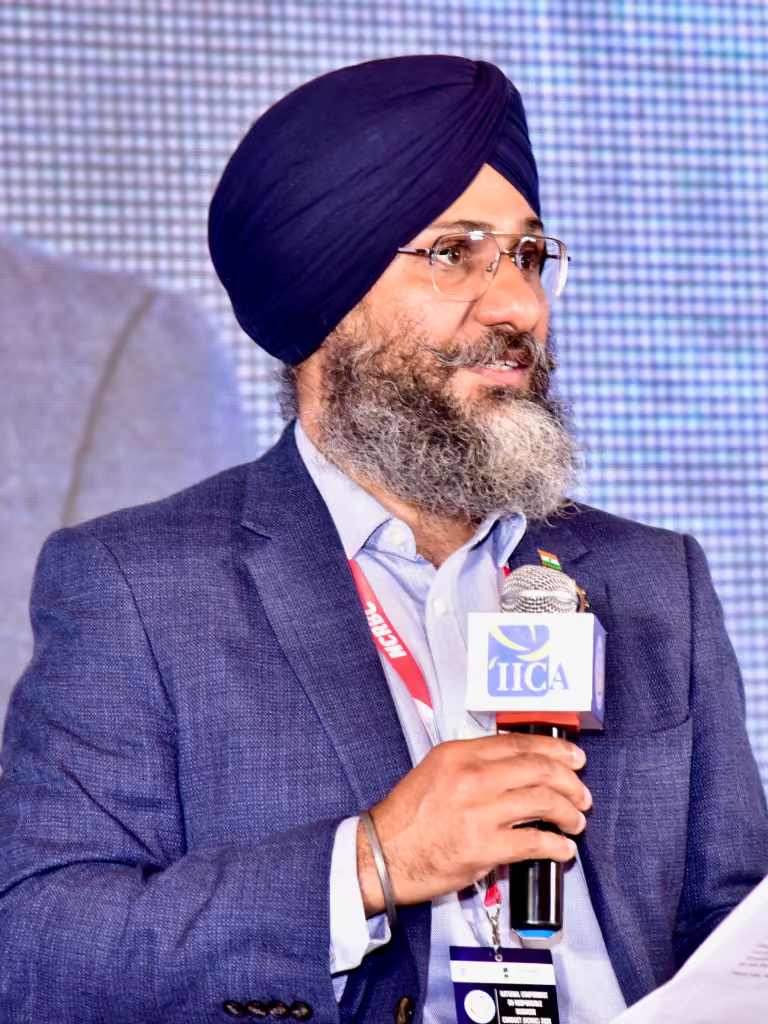
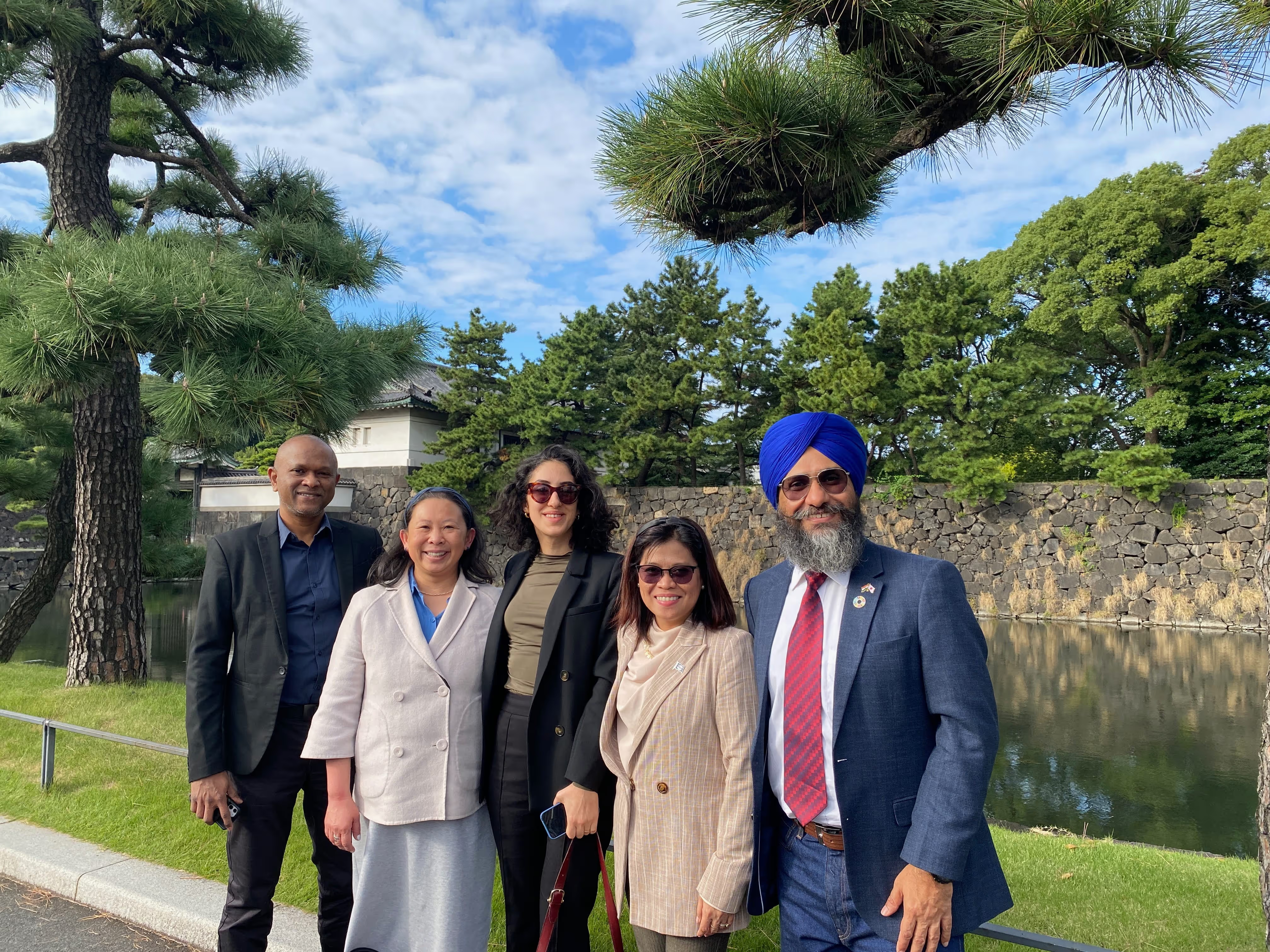
Not reviewing them from a distance. Inside them — on factory floors in Karnataka, processing facilities in Tamil Nadu, sugarcane fields in Maharashtra, ship recycling yards in Gujarat. Sitting across from supplier directors who have spent years learning exactly what foreign teams need to hear. And, just as often, sitting with the workers and supervisors those directors would prefer stayed quiet.

Most advisory support in this space comes from one of two directions: global ESG consultants who understand the frameworks but not the ground, or local auditors who know the ground but are trained to evaluate, not engage. Rishi works in the space between — building trust with suppliers and workers that makes the real conversation possible, while staying anchored to what global companies actually need.
Years of practical supply chain implementation experience
ESG and HRDD implementation projects across 17 countries
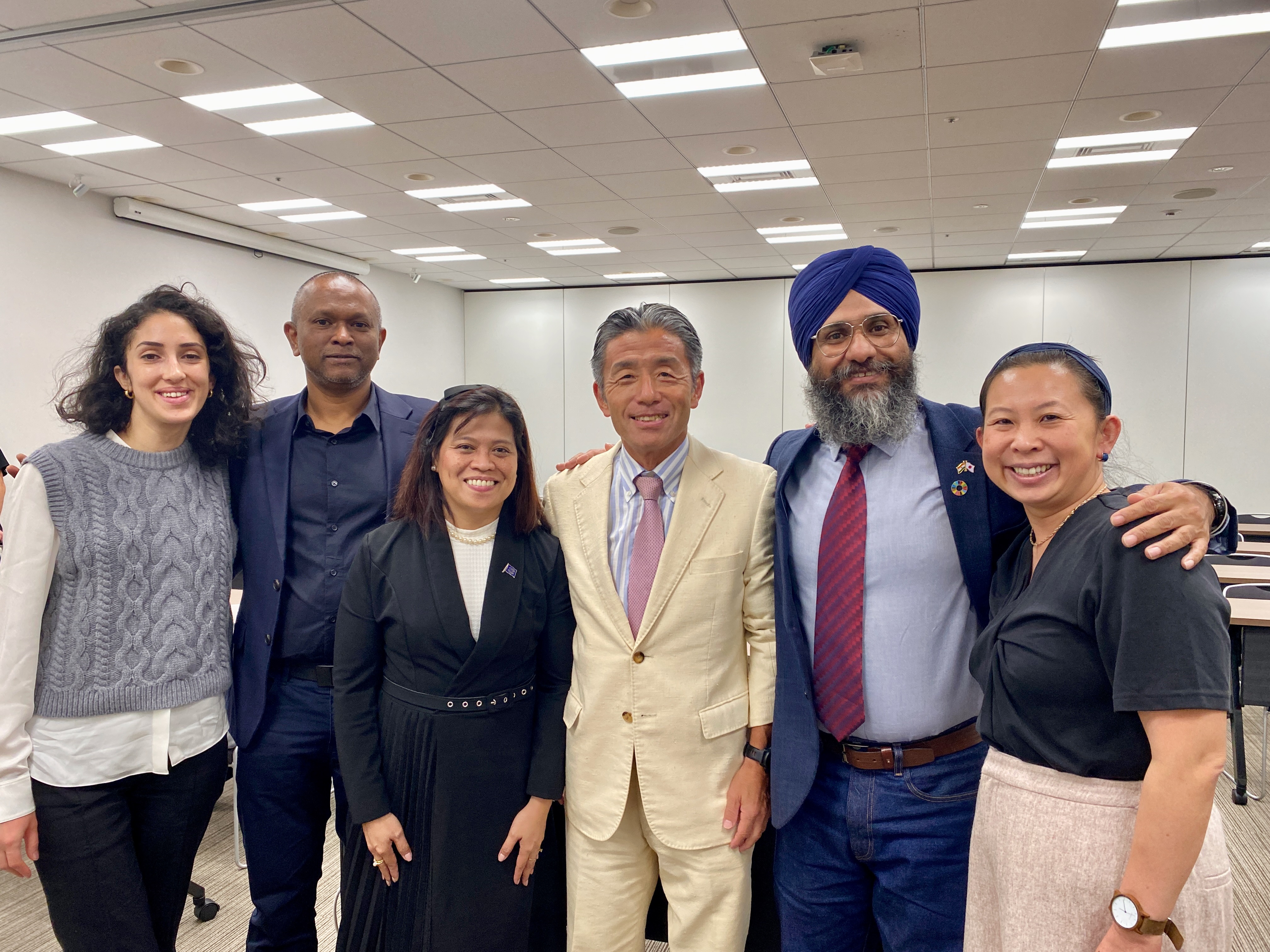
Advised global think-tanks on the UN Guiding Principles on Business and Human Rights
Former Hewlett Packard supply chain leader who understands how MNCs and their supply chains really work
Human Rights Impact Assessments
Managers and Workers trained
He holds an engineering degree and an MBA. In practice, that means he can read a factory floor and a procurement requirements with equal fluency, and talk to a supplier operations director in terms they find credible, not just in the language of compliance.
Over 25 years, he has:
He holds an engineering degree and an MBA. In practice, that means he can read a factory floor and a procurement requirements with equal fluency — and talk to a supplier operations director in terms they find credible, not just in the language of compliance.
This is not a step-by-step programme. It is guided, experience-led advisory — shaped around your context, drawing on over 25 years of on-ground experience to support decisions that hold in reality.
We begin by listening. Through focused conversations, we build a clear picture of what is actually happening across your factories and suppliers — what is working, what is not, and where clarity is missing. This is not an audit. It is about understanding the reality behind the system, so your decisions are grounded in what you are actually dealing with.
From this understanding, a clear direction for the next 12 months takes shape — aligning priorities, clarifying expectations, and setting a path that is realistic and actionable. Not over-engineered. Which suppliers need deeper engagement, which risks require attention now, and where effort is not translating into practice.
Progress depends on people. We work with your teams and suppliers to build understanding, strengthen engagement, and improve the systems that govern daily operations — without adding unnecessary complexity. The goal is systems and practices that are usable, trusted, and sustained in the local context.
This is the core of the engagement. Across the year, we work together through regular advisory sessions, ongoing support, and leadership reviews — helping you interpret what is happening, ask the right questions, and steer decisions where they matter most. A consistent presence, not a series of standalone interventions.
As the engagement progresses, we step back to assess what is working, where effort needs to shift, and how to sustain what has been built. The work adapts as your situation evolves. The aim is not the completion of a programme — it is progress that holds on the ground over time.

Here are the thoughts of our esteemed clients on their experience working with us.
"Working with World of Gears has been transformative. Rishi combines deep ESG and HRDD expertise with a practical, empathy-led approach that fits Indian supply chains. He engages equally well with leadership and shop-floor teams — helping us move beyond compliance into real change. More than a consultant, he is a trusted advisor who brings clarity and understands both global expectations and local realities."

Director · Virya Mobility 5.0
"CRT Japan always engages with rightsholders when conducting human rights due diligence for Japanese companies. Having a strong local partner is indispensable for these direct dialogues. In India, the team led by Rishi has been completing missions based on the UN Guiding Principles."

Executive Director · Caux Roundtable Japan (CRT-JP)
"Over 12 months, working with World of Gears felt like one team. Rishi brought a practical, grounded approach — helping us move from intent to real progress across operations and suppliers. His cultural understanding and on-ground insight made a clear difference. This was not consulting — it was trusted advisory that built capability and delivered impact."

Sugar Mill, Maharashtra


Virya had clear ESG intent and growing expectations from investors and leadership. The challenge was turning that intent into consistent, on-ground progress across three EV factories.
Working with World of Gears, the engagement began by building a clear picture of where things actually stood — what was working, what was not, and where internal understanding was fragmented. From there, the focus shifted to building capability within Virya's ESG team and leadership, and then to execution.
Over 12 months, Virya prioritised what mattered, aligned teams across functions, and made steady progress across operations and suppliers — measured in outcomes, not just activity. The result: stronger internal alignment, more effective systems, improved investor confidence, and tangible business benefits including cost efficiencies. The engagement also led to Virya publishing its first ESG report — grounded in real work, not just reporting.
Today, Virya continues with ongoing advisory support — building on a foundation that now holds in practice.

You are already investing time and effort into ESG and human rights. Policies are in place, audits are happening, teams are engaged. But if on-ground progress still feels unclear, the cost is not static — it compounds.

As expectations from investors, clients, and leadership become sharper, you are expected to explain what is actually changing, where the risks are, and how confident you are in what you are seeing. When visibility is partial, those answers become harder to stand behind.

The instinct is to do more — more audits, more reporting, more frameworks. But without grounded guidance, this typically leads to a familiar pattern: increased activity without meaningful change. Suppliers adapt to pass requirements, but underlying issues remain. Teams stay busy, but alignment is not always clear. Costs increase, but outcomes do not move at the same pace.
Over time, the impact becomes visible. Decisions take longer. Internal confidence reduces. Investor conversations become more difficult. Teams begin to question whether the effort is leading anywhere.
.jpg)
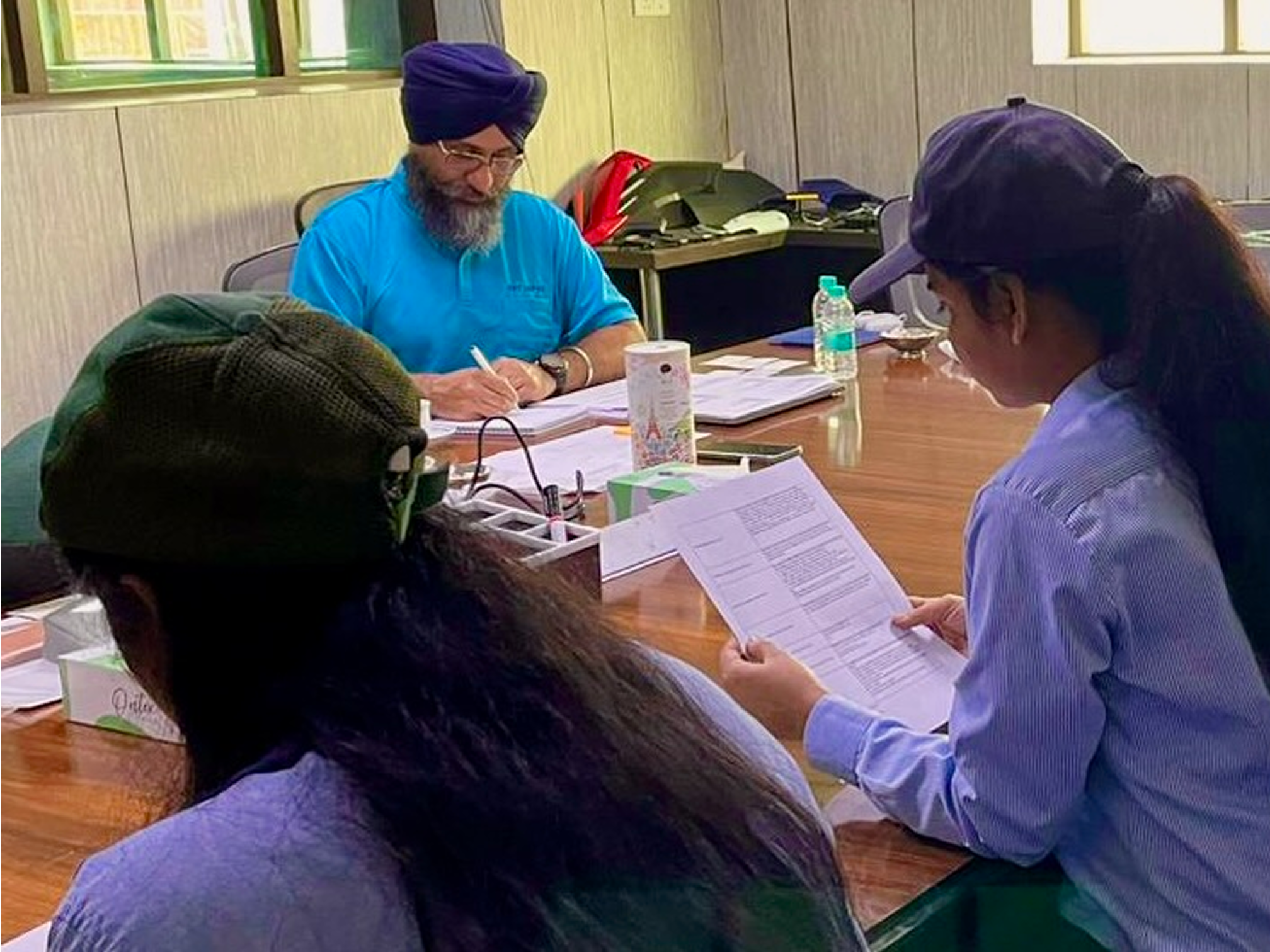
A leadership team reaches out when audits and supplier visits are not bringing the clarity they expected. Effort is visible. Progress is not. Rishi begins with a conversation — understanding what is happening beneath the surface of what is being reported.
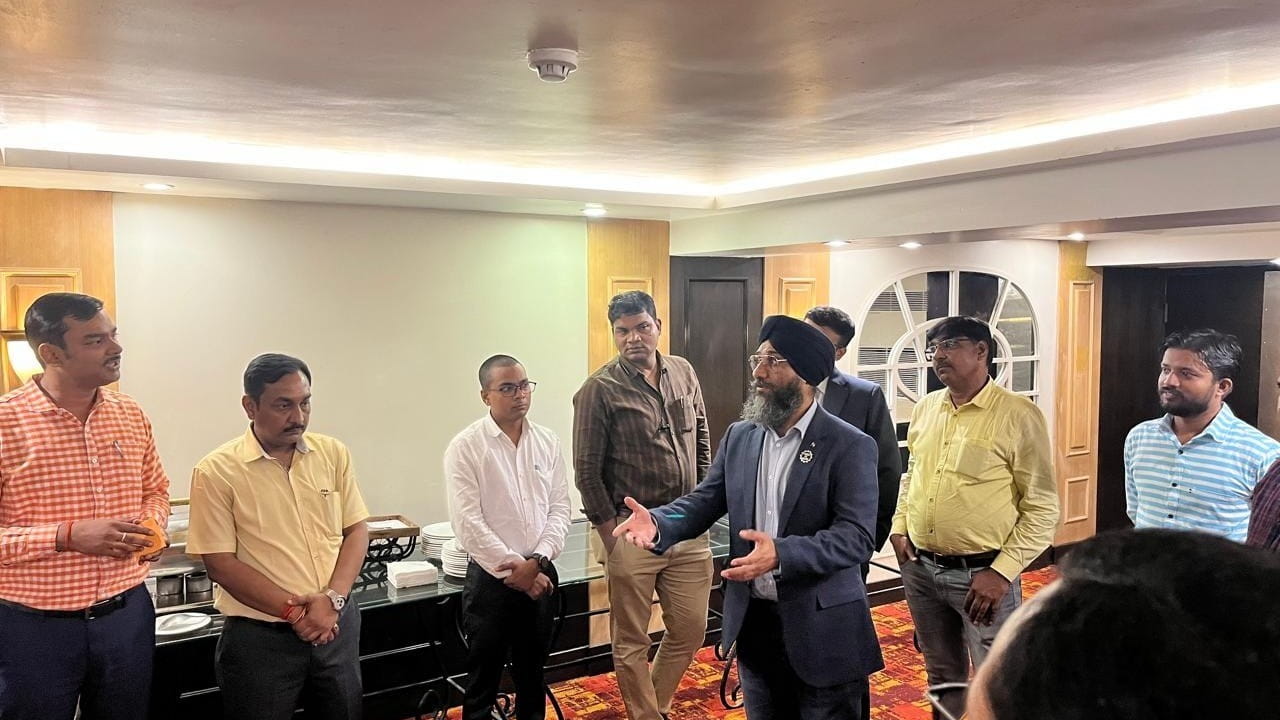
From there, the work moves into focused on-ground engagement. Supplier conversations shift from agreement to reality. Issues that do not surface in formal processes begin to emerge in context. The gap between what is documented and what is experienced starts to close.
As clarity builds, the focus shifts to strengthening capability within your teams, defining a practical roadmap aligned to your business priorities, and guiding decisions as challenges evolve. Not creating more plans — focusing effort where it will actually make a difference.
Over the 12 months, fragmented efforts begin to connect. Teams gain clarity. Supplier engagement becomes more open. Systems start to work as intended — not just on paper, but in practice.
.png)

A 12-month advisory for Sustainability, Human Rights and Procurement leaders who need a trusted, experienced sounding board to navigate complex factory and supplier realities in India.
Expert support for Sustainability and Procurement leaders, so your next supplier visit in India surfaces what the last five didn't.
On-ground, dialogue-led engagement with supplier management and workers, helping you understand risk across both audited and unassessed parts of your supply chain.
Turning audit findings into real change on the ground. A hands-on 90-day sprint to turn audit findings into real improvements inside your supplier facilities, with on-ground coaching
.jpg)
If ESG or HRDD implementation is unclear or slowing down, the risk is not standing still. It is moving forward without real progress.
You speak directly with Rishi. No slides, no preparation. He will ask a few questions about your current situation — what is in place, what is not landing, and where confidence is breaking down. He will tell you honestly where the gaps are and what to do next.
Most people leave the call with at least one useful thing, regardless of what they decide.
World of Gears takes on a limited number of engagements at any one time. Rishi is directly involved in each one — which is the point. If you are planning your next phase of HRDD or ESG implementation, this is the right time to talk.
.png)
Discover insights and strategies that protect your supply chains, investments, reduce regulatory risk, and drive long-term value through responsible business practices

.png)