.png)
May 12, 2026
What works with suppliers in India, from my on-ground experience
.avif)
.webp)
.png)
.webp)

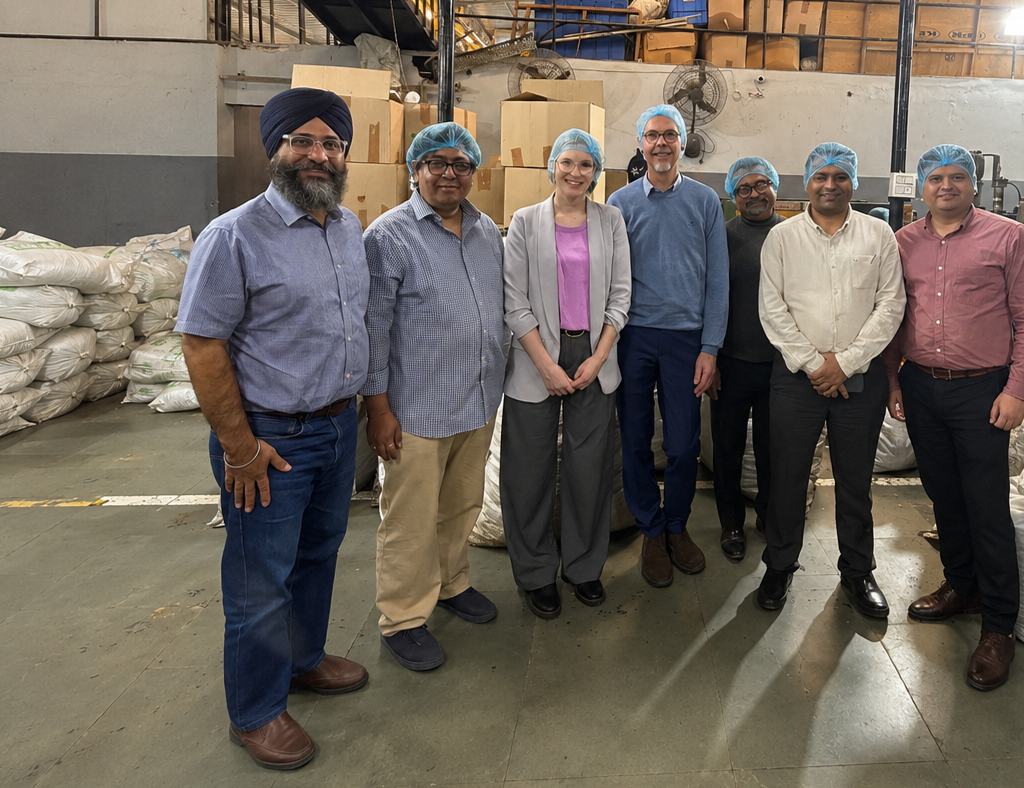
On-ground support for Sustainability and Procurement leaders, so your next supplier visit in India surfaces what the last five didn't.
Ben Thornton-Jones
Ex- Director, Sustainable Supply Global Sustainability, Haleon
.png)






Already serving clients from these countries







.jpeg)

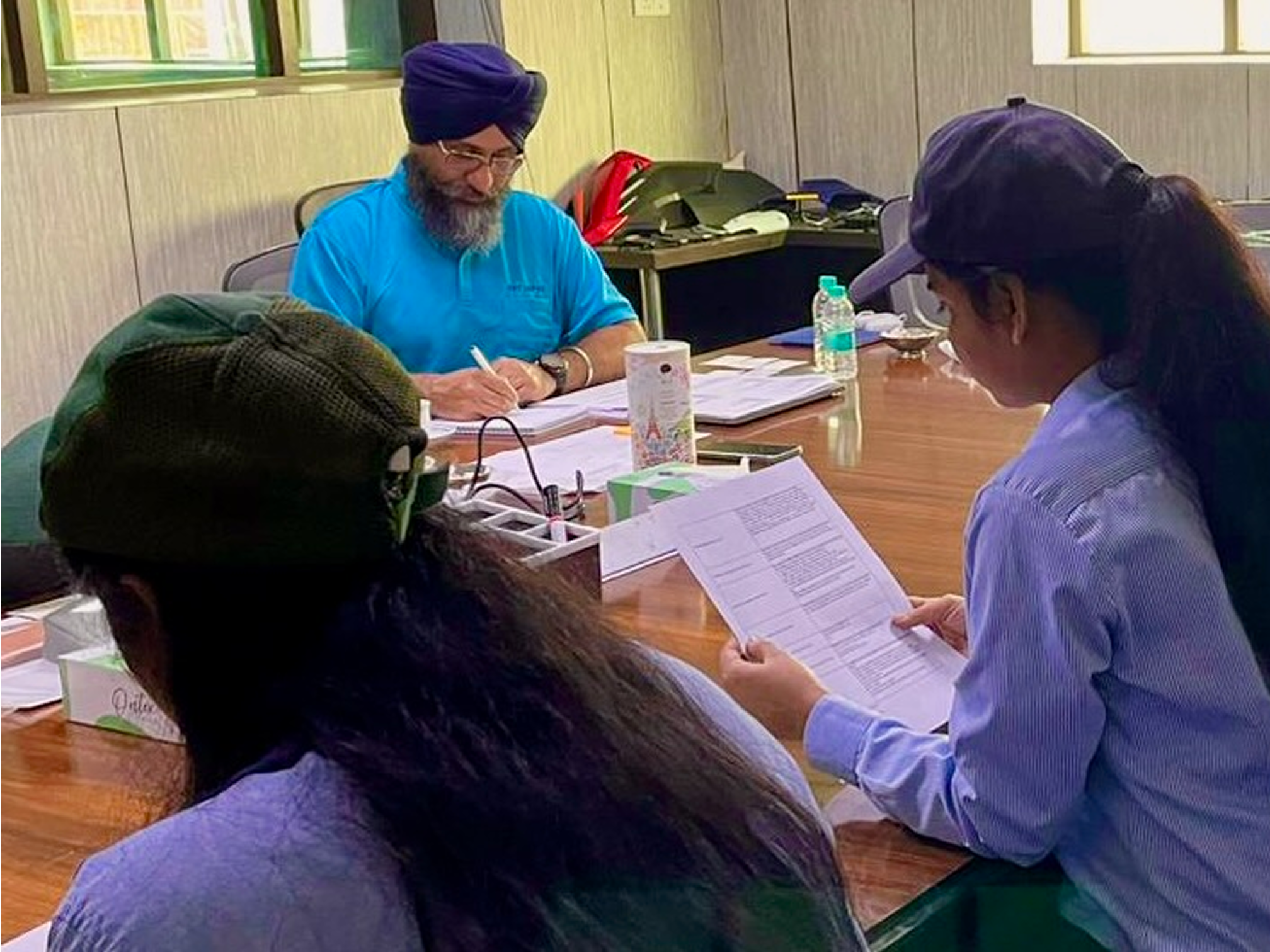
The visit goes well. The agenda gets covered. The supplier's team is present, attentive, and agrees to everything on the table. You leave with a completed checklist and a nagging sense that you still don't know what's actually going on. Did anything actually land?
Most teams who ask that question already know the answer. The problem isn't the suppliers, and it isn't the team. It's what happens when engagement is built around a form rather than a conversation.
The meeting is designed for agreement, not understanding. The pressure to say yes, to protect the relationship, to keep the contract, it shapes every answer in that room.
The real constraints, the ones that determine what actually changes after you leave, rarely make it onto the table.
Forms get completed. Photographs get taken. What doesn't happen is a frank conversation about what's going wrong, why it keeps going wrong, and what it would actually take to fix it.
The gap between what's documented and what's real stays exactly where it was.
The EU's Corporate Sustainability Due Diligence Directive, the German Supply Chain Act, the UK Modern Slavery Act, these aren't future considerations.
The question your board and investors are now asking isn't whether you conducted a supplier visit. It's what you found, and what changed as a result.
The meeting is designed for agreement, not understanding. The pressure to say yes, to protect the relationship, to keep the contract — it shapes every answer in that room. The real constraints, the ones that determine what actually changes after you leave, rarely make it onto the table.
Forms get completed. Photographs get taken. What doesn't happen is a frank conversation about what's going wrong, why it keeps going wrong, and what it would actually take to fix it. The gap between what's documented and what's real stays exactly where it was.
The EU's Corporate Sustainability Due Diligence Directive, the German Supply Chain Act, the UK Modern Slavery Act — these aren't future considerations. The question your board and investors are now asking isn't whether you conducted a supplier visit. It's what you found, and what changed as a result.
.png)
.png)
You have active or growing sourcing operations in India
Supplier visits are producing paperwork but not insight
Your board or investors are asking harder questions about supply chain practices
You need procurement and sustainability aligned, not pulling against each other in front of suppliers
.png)
You need a formal compliance audit, we can point you to the right providers
You're looking for a large consultancy with a templated programme
You don't yet have suppliers in India, though if that's changing, this is a good time to talk
You believe meaningful supplier engagement in India can be done entirely from a distance
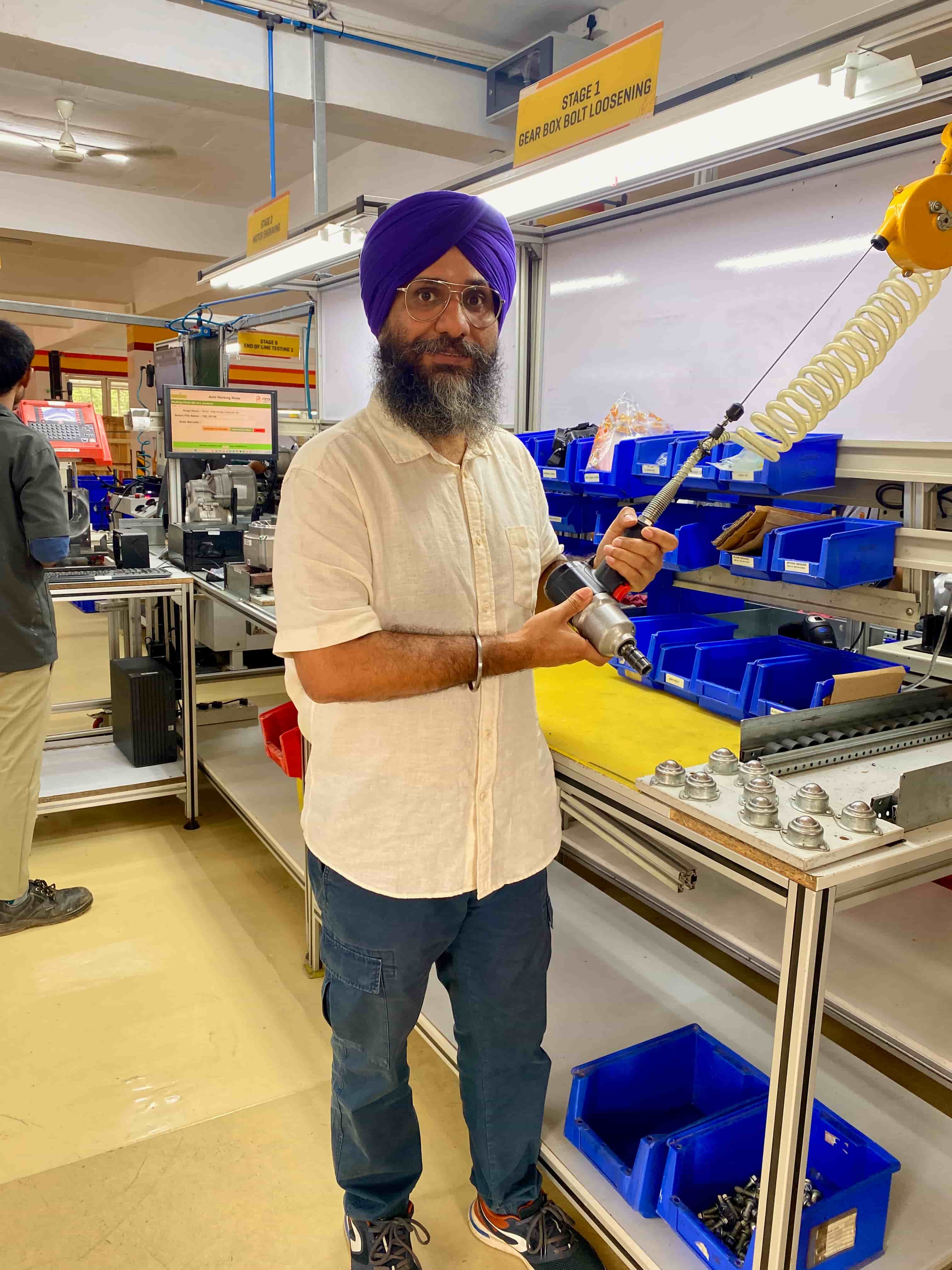

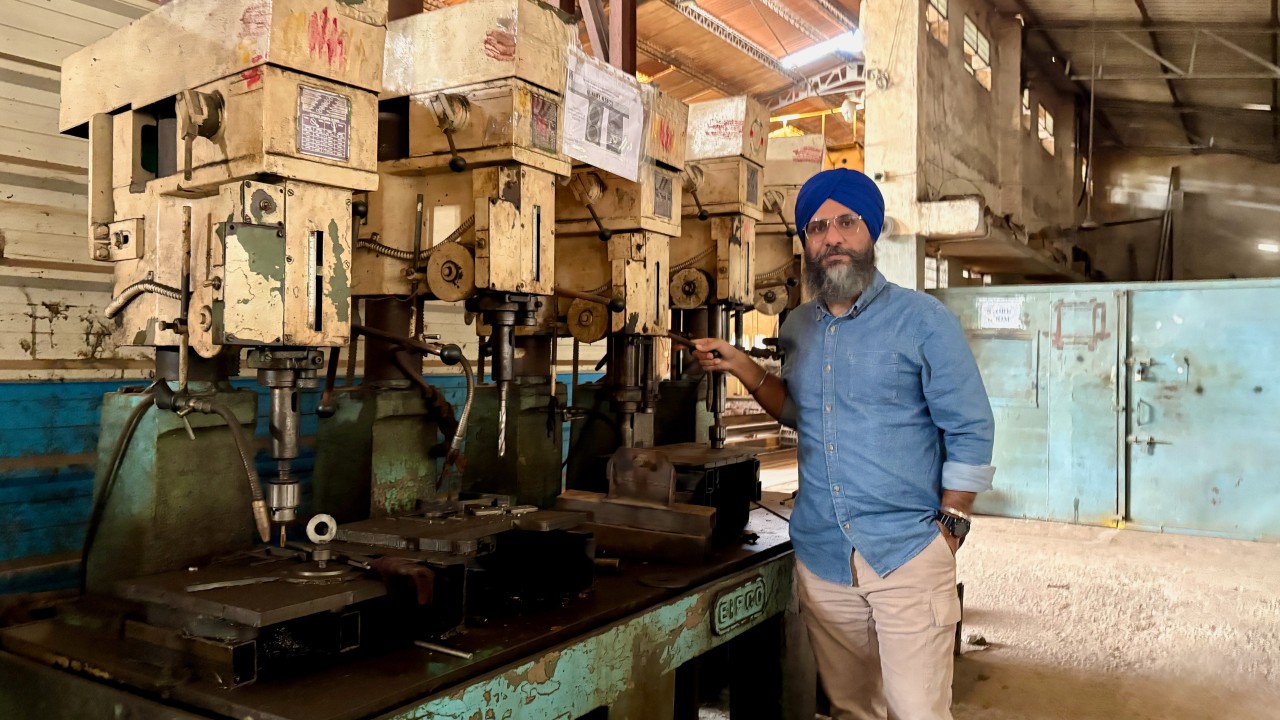
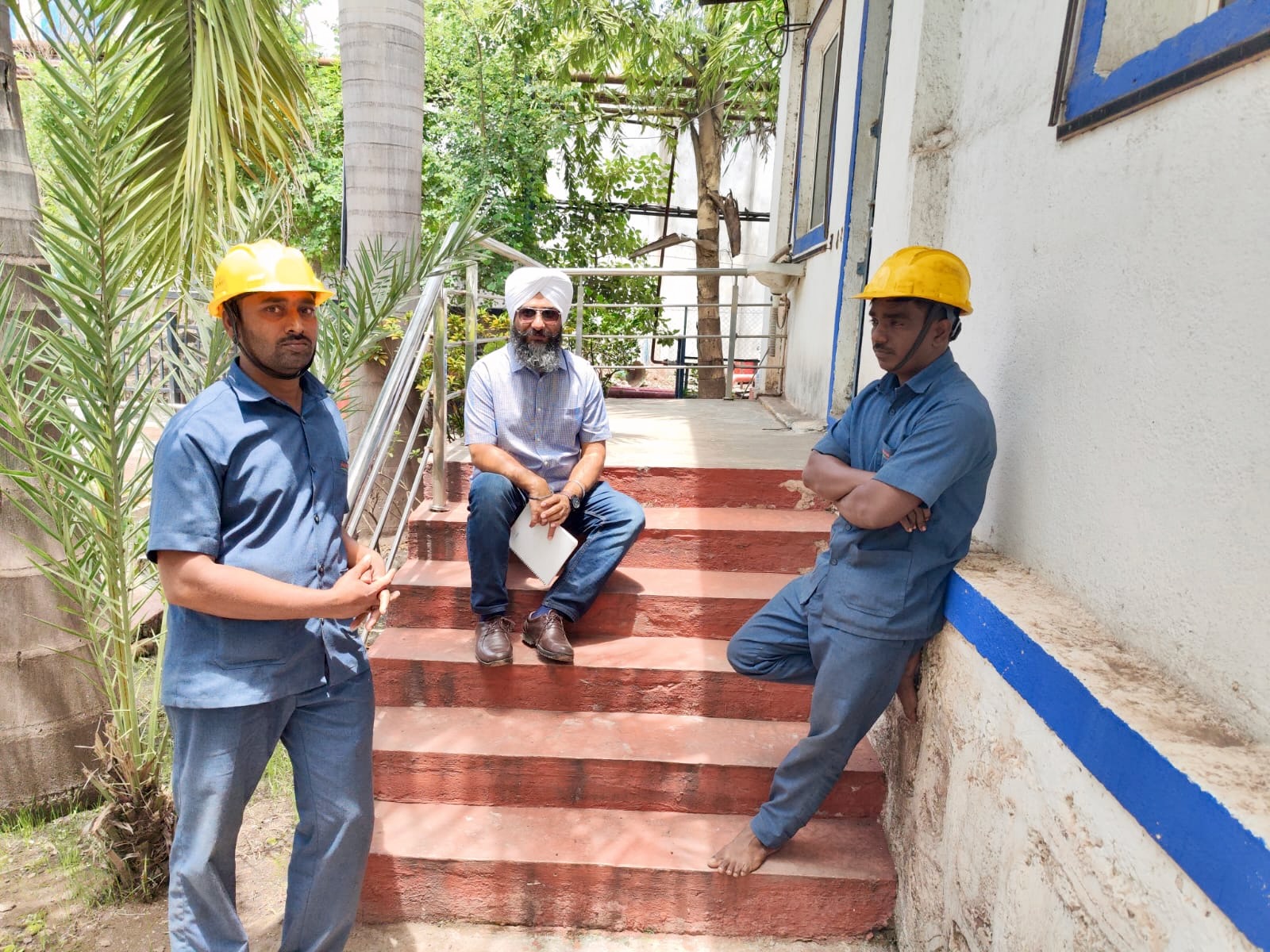
Not reading reports about them. In them, on factory floors in Karnataka, processing facilities in Tamil Nadu, sugarcane fields in Maharashtra, ship recycling yards in Gujarat.

Sitting across from supplier directors who've spent years learning exactly what foreign teams need to hear. And, just as often, sitting with the workers and supervisors those directors would prefer stayed quiet.

Most on-ground support in India comes from one of two directions: global ESG or HRDD consultants who understand the frameworks but not the ground, or local auditors who know the ground but are trained to evaluate, not engage
.png)
Rishi has spent his career in the space between, building the kind of trust with suppliers that makes the real conversation possible, while staying anchored to what global companies actually need.
Years of practical supply chain implementation experience
ESG and HRDD implementation projects across 17 countries
Advised global think-tanks on the UN Guiding Principles on Business and Human Rights
Former Hewlett Packard supply chain leader who understands how MNCs and their supply chains really work
Human Rights Impact Assessments
Managers and Workers trained
He holds an engineering degree and an MBA. In practice, that means he can read a factory floor and a procurement requirements with equal fluency, and talk to a supplier operations director in terms they find credible, not just in the language of compliance.
Over 25 years, he has:
He holds an engineering degree and an MBA. In practice, that means he can read a factory floor and a procurement requirements with equal fluency — and talk to a supplier operations director in terms they find credible, not just in the language of compliance.
Working with World of Gears starts before you arrive on site, and continues after you leave. Most of the value is built in what happens either side of the visit itself.
Thirty minutes with Rishi. You tell us about your upcoming supplier engagements, which facilities, which risks, what previous visits have and haven't surfaced. Rishi will ask three or four questions most teams haven't been asked before, and give you an honest read of whether on-ground support would change anything for your specific situation. No preparation needed. No slide deck from us.
Before your visit, we research the specific suppliers on your list, their history with global buyers, the cultural and operational dynamics you're likely to encounter, the questions your formal agenda won't reach. We align separately with your sustainability and procurement teams so that when we arrive, we're one team with one goal, not managing internal tensions in front of the supplier.
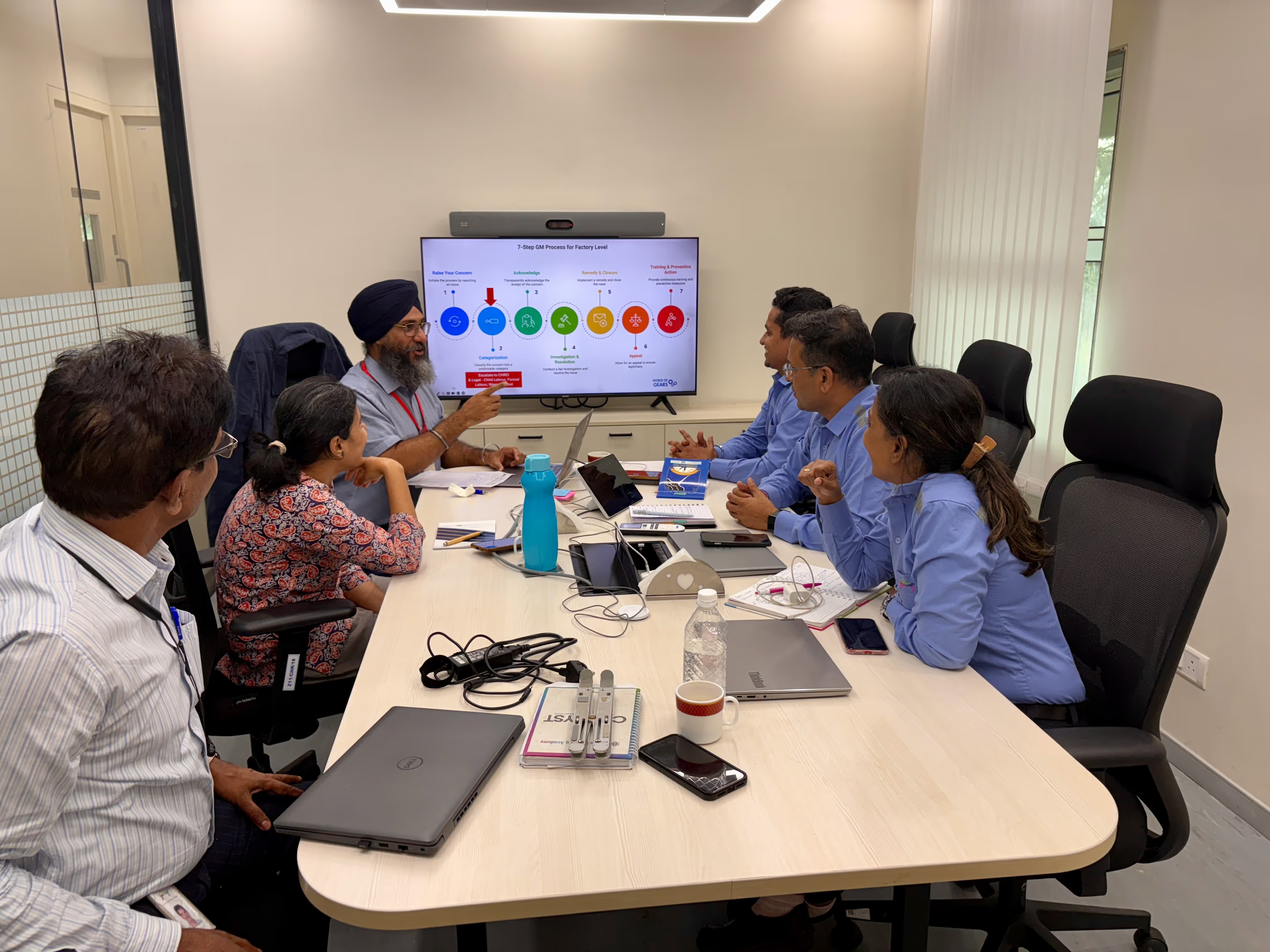
We work alongside your team, in the meeting room, on the factory floor, in conversations with workers and supervisors. We pick up on what's not being said as much as what is. We create conditions where the worker who's been quiet for two hours feels safe enough to speak. After the visit, we debrief with your team and help you translate what you found into something your board and compliance team can act on.
Here are the thoughts of our esteemed clients on their experience working with us.
"Rishi brings a hands-on approach and deep knowledge that's genuinely rare in this space. He doesn't just understand the frameworks — he understands what it takes to make them work in practice, in real facilities, with real people."

Ex- Director,
Sustainable Supply Global Sustainability, Haleon
"What sets this work apart is the flexibility and focus on results. Rishi doesn't arrive with a fixed methodology regardless of context. He reads the situation and responds to it — which is exactly what effective supplier engagement requires."

Director Social impact, DSM Ferminich
.jpg)

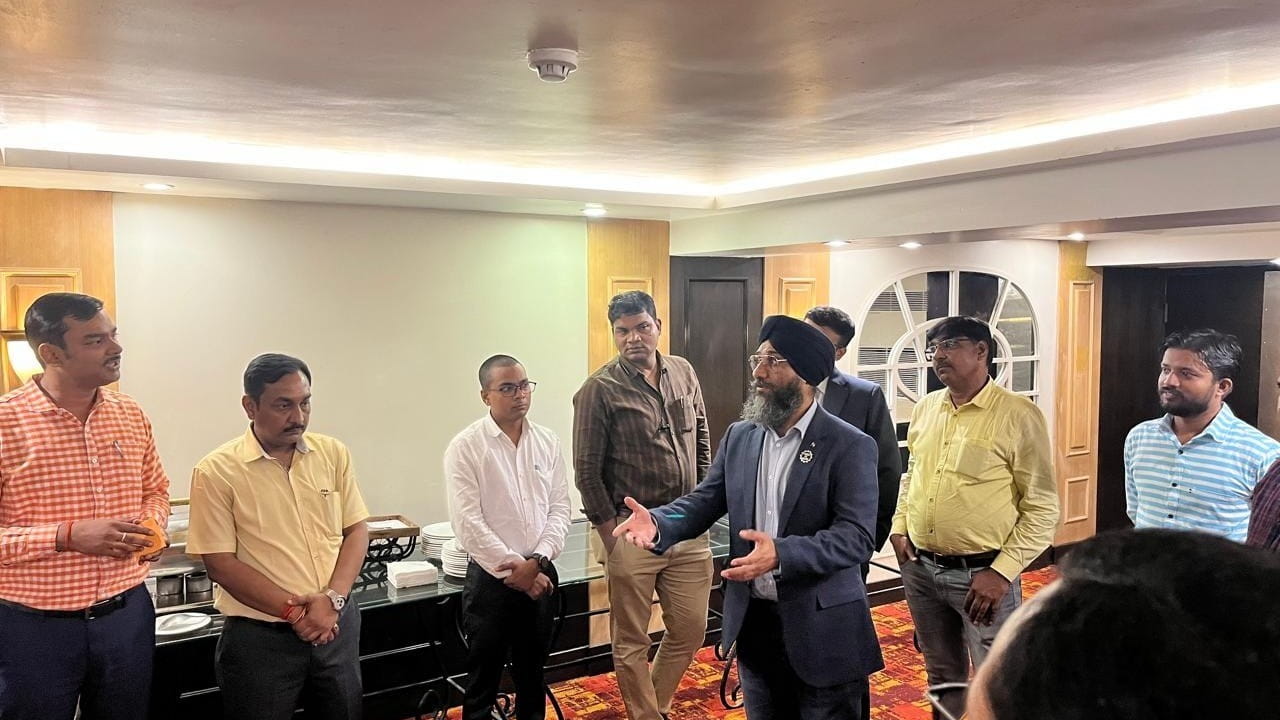
A EU company brought its Human Rights and Procurement managers to India for their first supplier visits, on paper everything was in place, but on the ground they weren’t sure what they were really seeing.
Suppliers were cooperative and conversations were polite, yet there was hesitation and mixed signals within the team. Rishi joined as the bridge between Germany and India, helping them read the room, understand shop-floor realities, and move beyond audit-style answers, while clearly positioning the visit as long-term engagement, not compliance.
That shift changed the dynamic:
suppliers opened up, patterns across large and small suppliers became visible, and the team stopped guessing. They returned with something they didn’t have before, a clear, grounded view of reality and the insight to shape their India strategy.
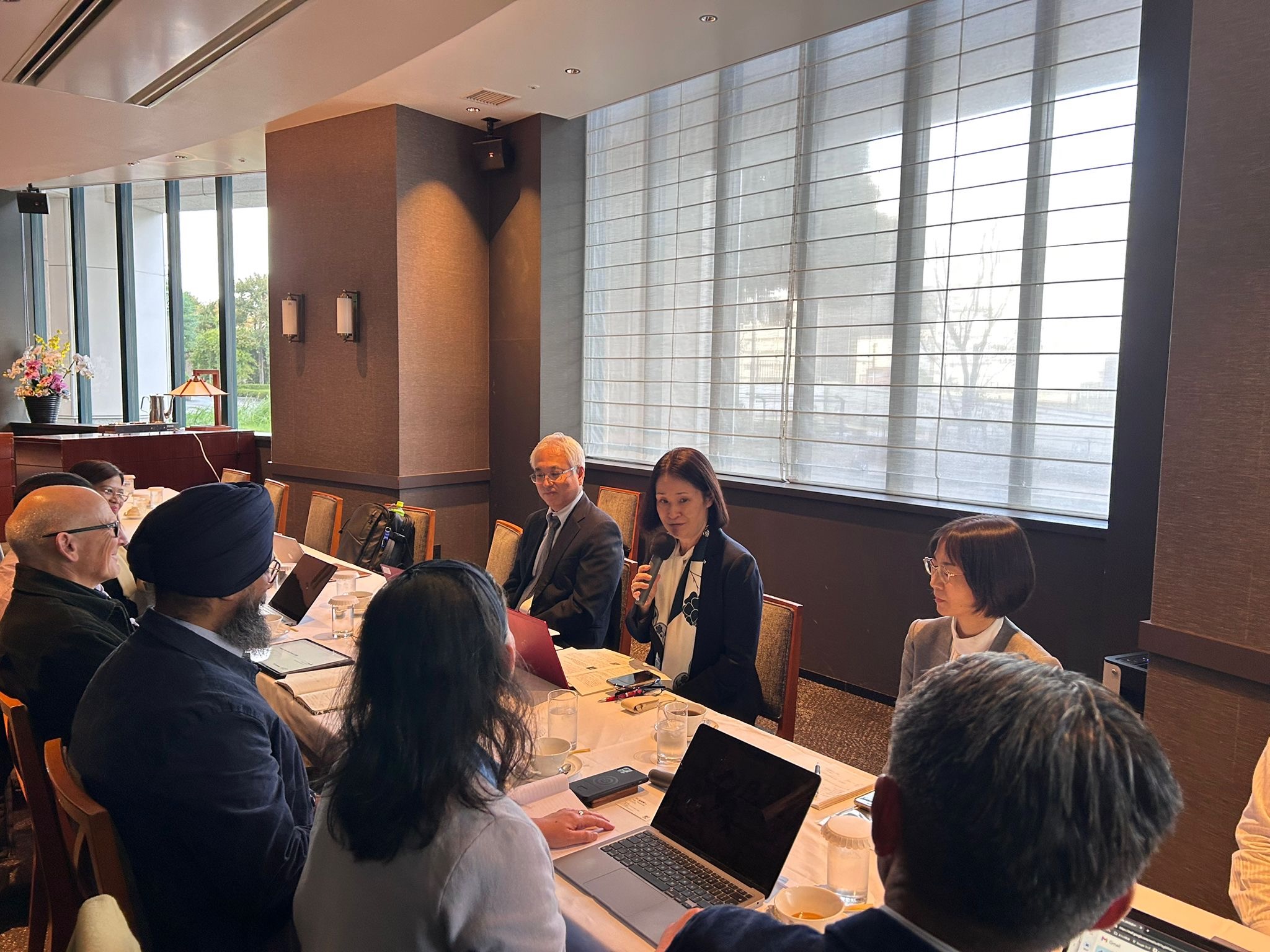

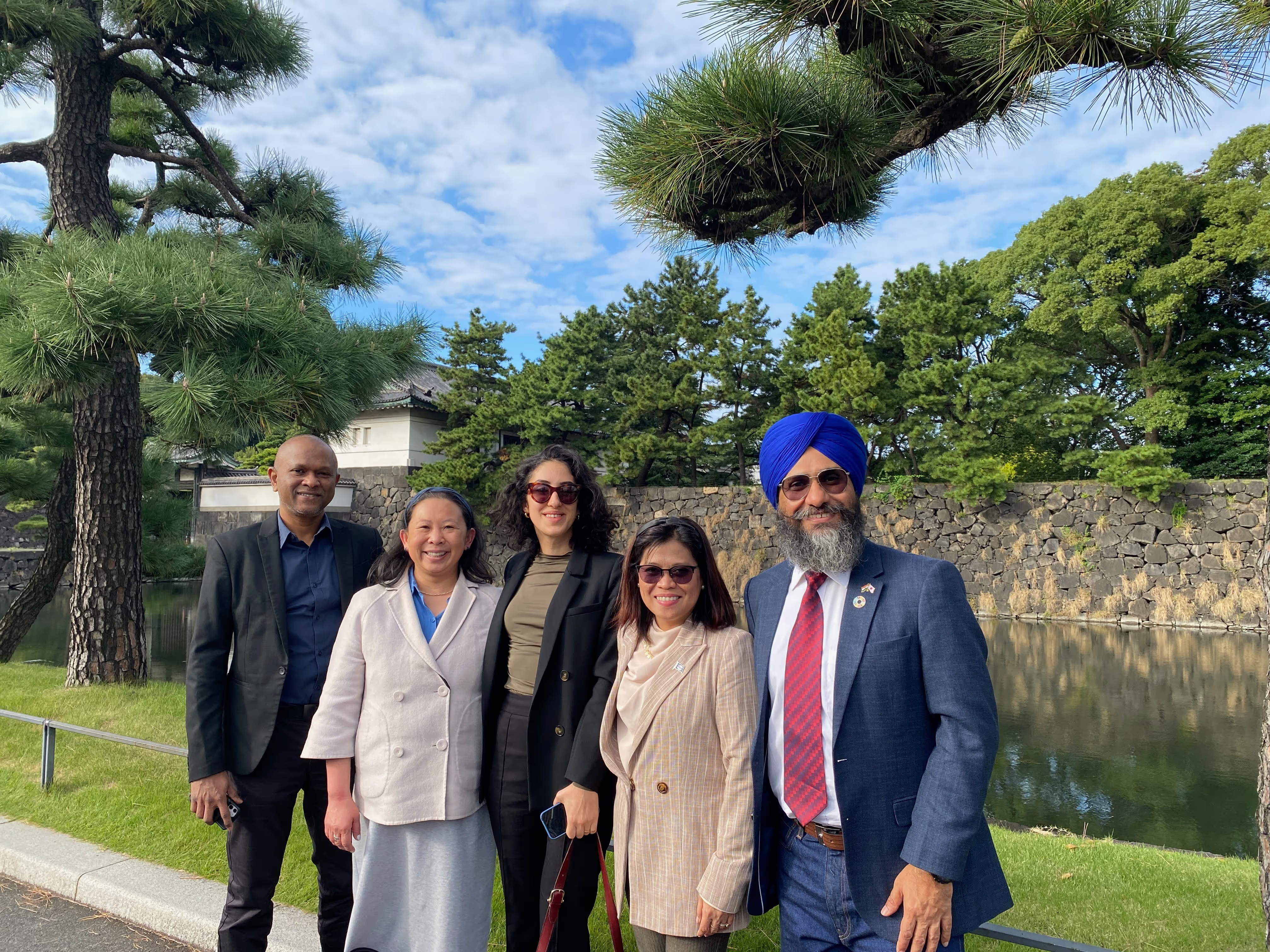
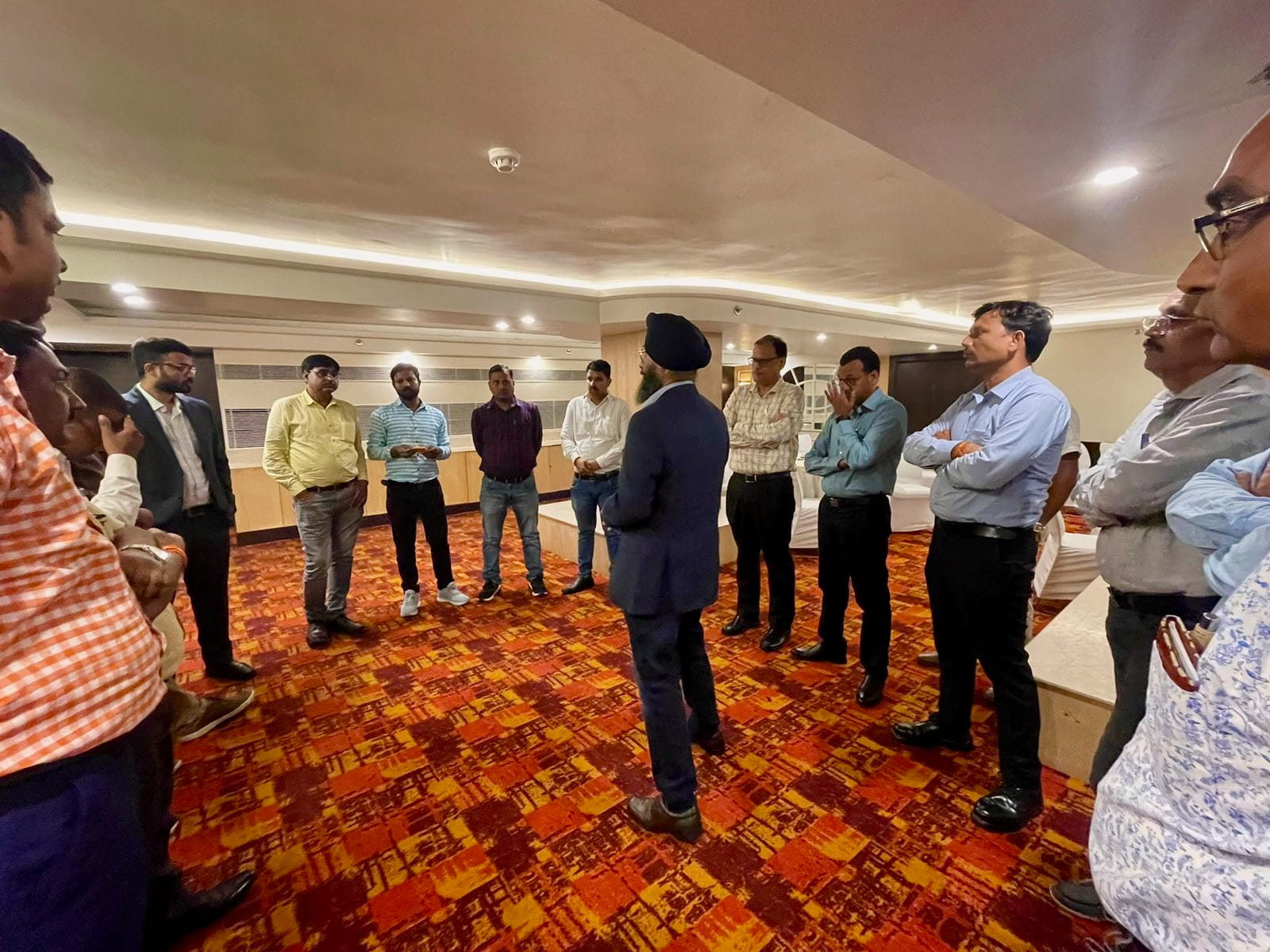
A Japanese company, working through CRT Japan, brought its sustainability and commercial teams to India to understand what was really happening across its operations and contractor-led supply chain.
Visits across North India and Mumbai were structured, but what they needed was clarity beyond what was being presented. Rishi joined as a local advisor, supporting on-ground engagement with management and workers, guiding shop-floor observations, and helping the team interpret risks in context.
Conversations went beyond surface responses, and gaps in contractor management and worker conditions became clearer. That shift turned the visit into something actionable: the company identified where real improvements were needed, both in its own operations and across suppliers, and went on to launch a two-year improvement programme with continued on-ground support.

The EU's due diligence directive is moving from preparation to enforcement. And investors aren't waiting for legislation, they're already asking for something more substantive than a supplier audit report.

The question being asked in boardrooms right now isn't whether you have a supplier engagement programme. It's what it has actually changed.
Companies still running the same supplier visit approach they used in 2022 are building up a problem. Not just on the compliance side, in the supplier relationships themselves.

Years of polite visits that didn't quite get to the real conversation leave a residue. Suppliers become better at managing the visit. The gap between what they say and what they do gets wider, not narrower.
Imagine leaving your next Indian supplier visit with a clear picture of what's actually happening on the ground, not the version the supplier prepared for a foreign team, but the real one.
Your procurement and sustainability teams come home with the same read of what they saw. They're not arguing about the interpretation. They're aligned on the risks and the next steps, because they experienced the same visit, not two parallel versions of it.
You go back to your board with a supplier story that holds up. Not because the report is better formatted. Because you know what changed, who you spoke to, and why you trust what they told you.
.png)

A 12-month advisory for Sustainability, Human Rights and Procurement leaders who need a trusted, experienced sounding board to navigate complex factory and supplier realities in India.
Expert support for Sustainability and Procurement leaders, so your next supplier visit in India surfaces what the last five didn't.
On-ground, dialogue-led engagement with supplier management and workers, helping you understand risk across both audited and unassessed parts of your supply chain.
Turning audit findings into real change on the ground. A hands-on 90-day sprint to turn audit findings into real improvements inside your supplier facilities, with on-ground coaching
.jpg)
You speak directly with Rishi. No slide deck, no capability presentation, nothing to prepare beforehand. He'll ask you three questions about your current supplier visits. From those, he'll tell you honestly where the gap is, and whether working with World of Gears would actually change anything for your situation.
Most people leave with at least one useful thing, regardless of what they decide next.
.png)
Discover insights and strategies that protect your supply chains, investments, reduce regulatory risk, and drive long-term value through responsible business practices

.png)