.png)
May 12, 2026
What works with suppliers in India, from my on-ground experience
.avif)
.webp)
.png)
.webp)

Dialogue-led Human Rights Risk Assessments for understanding what's actually happening in your supply chain in India, not just what's been documented.
Ben Thornton-Jones
Ex- Director, Sustainable Supply Global Sustainability, Haleon
.png)






Already serving clients from these countries






.jpeg)

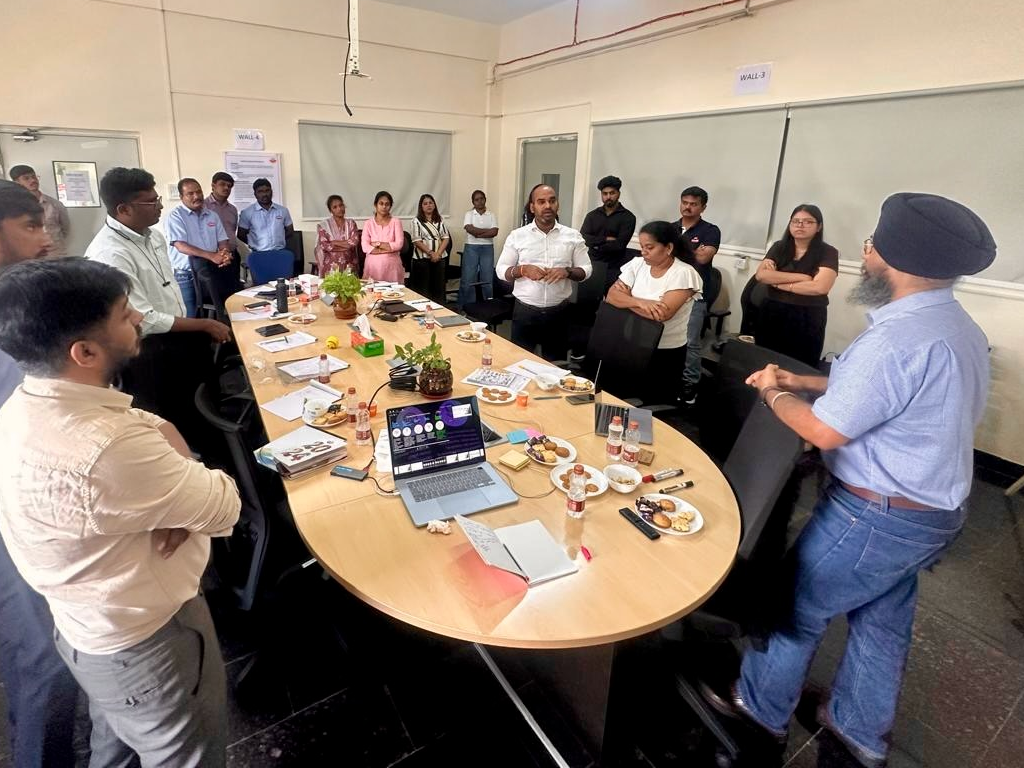
LkSG. CSDDD. EU Forced Labour Regulation 2027. The question is no longer whether suppliers have been assessed, it's whether you understand how risks actually occur. Most audits don't answer that.
And your Indian suppliers are under the same pressure from within, BRSR means scrutiny is now coming from both sides.
Risks here are contextual and behavioural, shaped by hierarchy, local practices, and cultural dynamics that don't show up in structured formats. What looks compliant on paper can function very differently on the ground.
Short visits and polished reports create a picture, just not always a reliable one. What gets understood depends on what gets presented. And what gets presented is rarely the full story.
Suppliers prepare for audits. Workers are engaged briefly, in controlled settings. Over time, suppliers become skilled at passing them, without changing what happens on the floor. The same issues keep reappearing because root causes are never fully understood.
Most approaches put suppliers on the defensive. Conversations stay managed. The suppliers who most need to change become the most practised at appearing cooperative.
The meeting is designed for agreement, not understanding. The pressure to say yes, to protect the relationship, to keep the contract — it shapes every answer in that room. The real constraints, the ones that determine what actually changes after you leave, rarely make it onto the table.
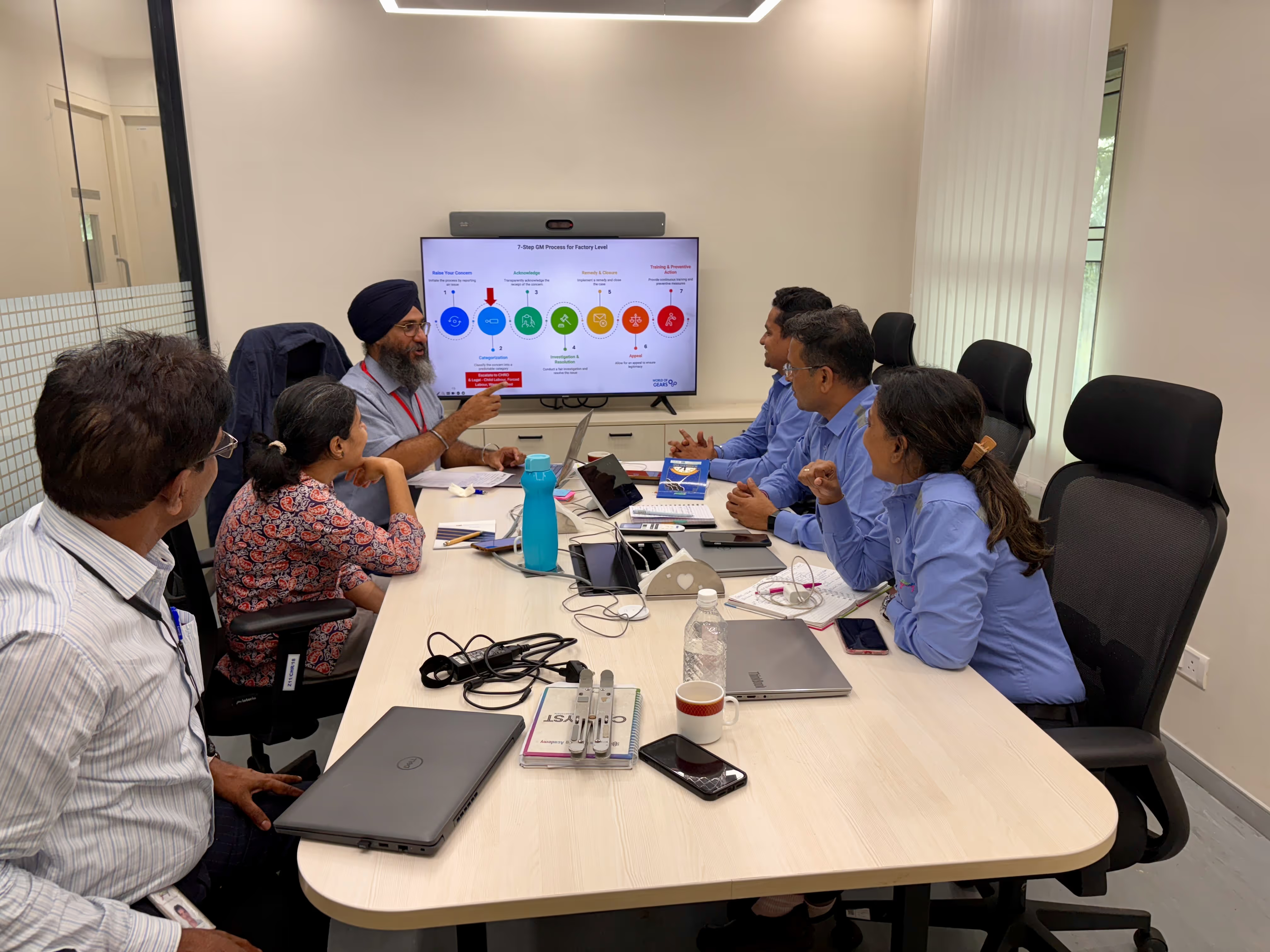
Forms get completed. Photographs get taken. What doesn't happen is a frank conversation about what's going wrong, why it keeps going wrong, and what it would actually take to fix it. The gap between what's documented and what's real stays exactly where it was.
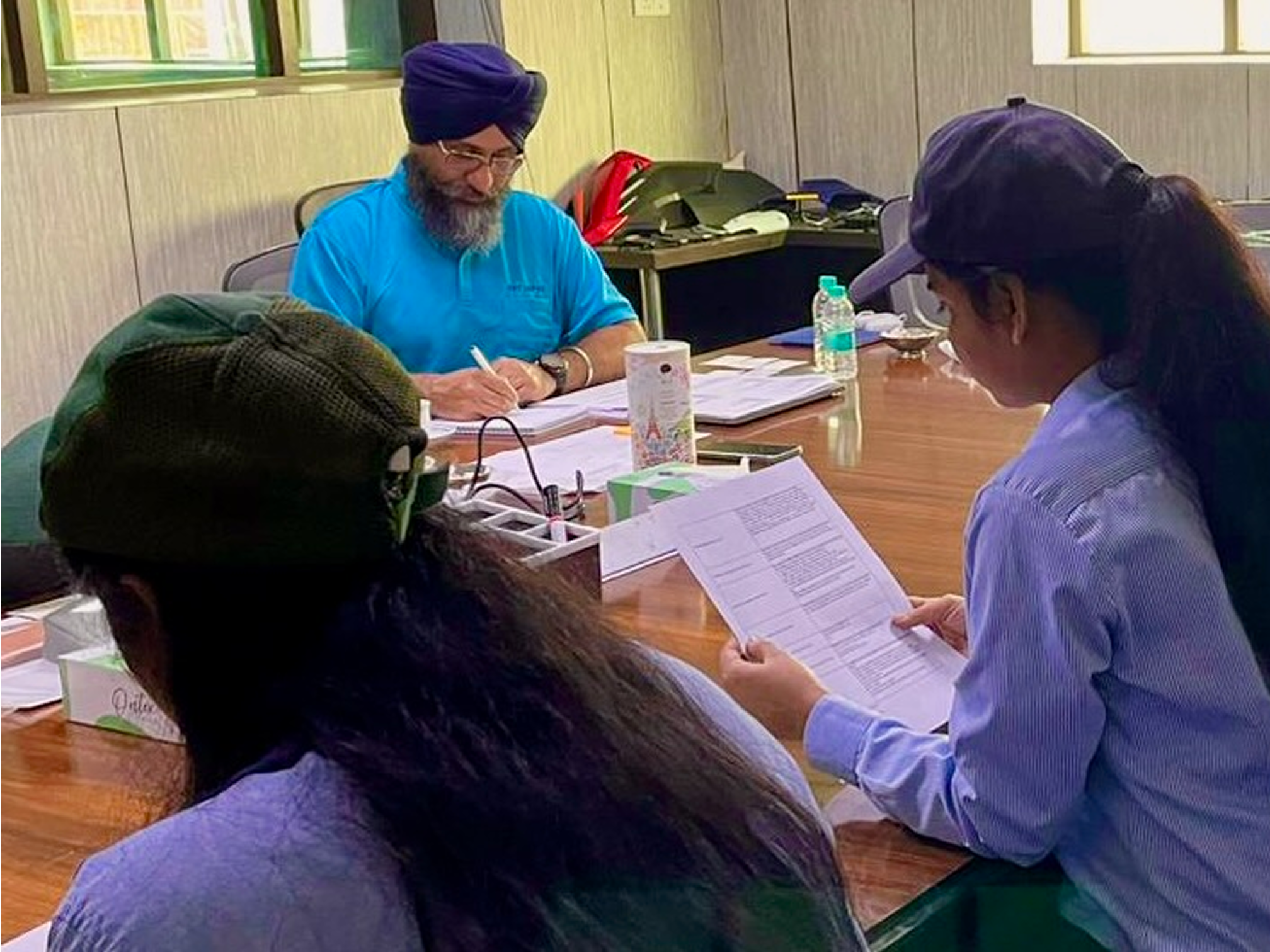
The EU's Corporate Sustainability Due Diligence Directive, the German Supply Chain Act, the UK Modern Slavery Act — these aren't future considerations. The question your board and investors are now asking isn't whether you conducted a supplier visit. It's what you found, and what changed as a result.
.png)
.png)
You source from India and need clearer visibility on supply chain risk
Audits are done, but you still don't know what's actually happening on the ground
You have Tier 1 coverage but limited sight further down the chain
You want to move from audit-driven compliance to genuine supplier understanding
You're expanding in India and need to know what you're stepping into
.png)
You need a formal compliance audit or certification
You need a legal investigation or forensic review
You believe due diligence can be done entirely from a distance
India is not a strategic priority for your business
You're looking for a large consultancy with a templated programme
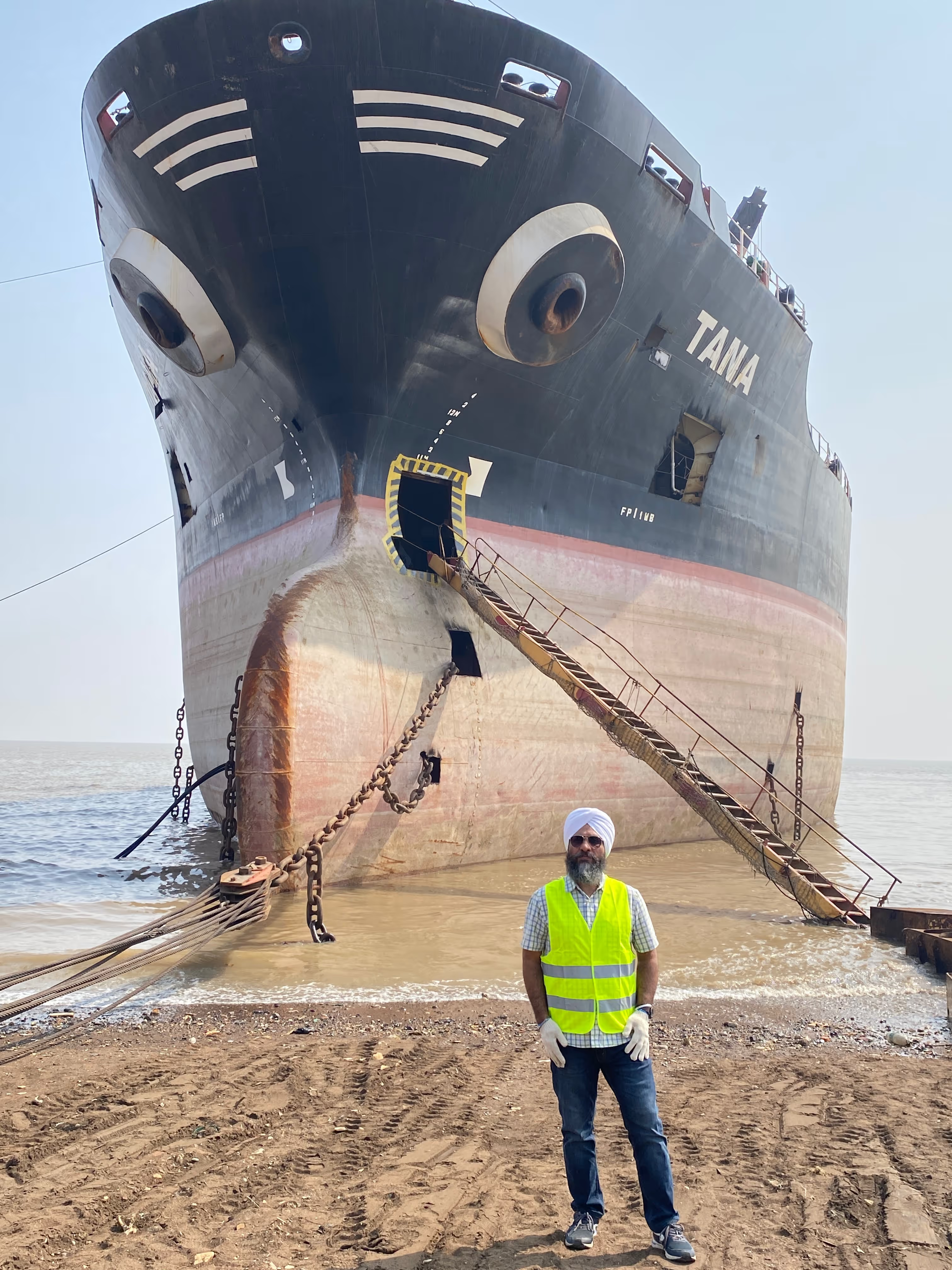

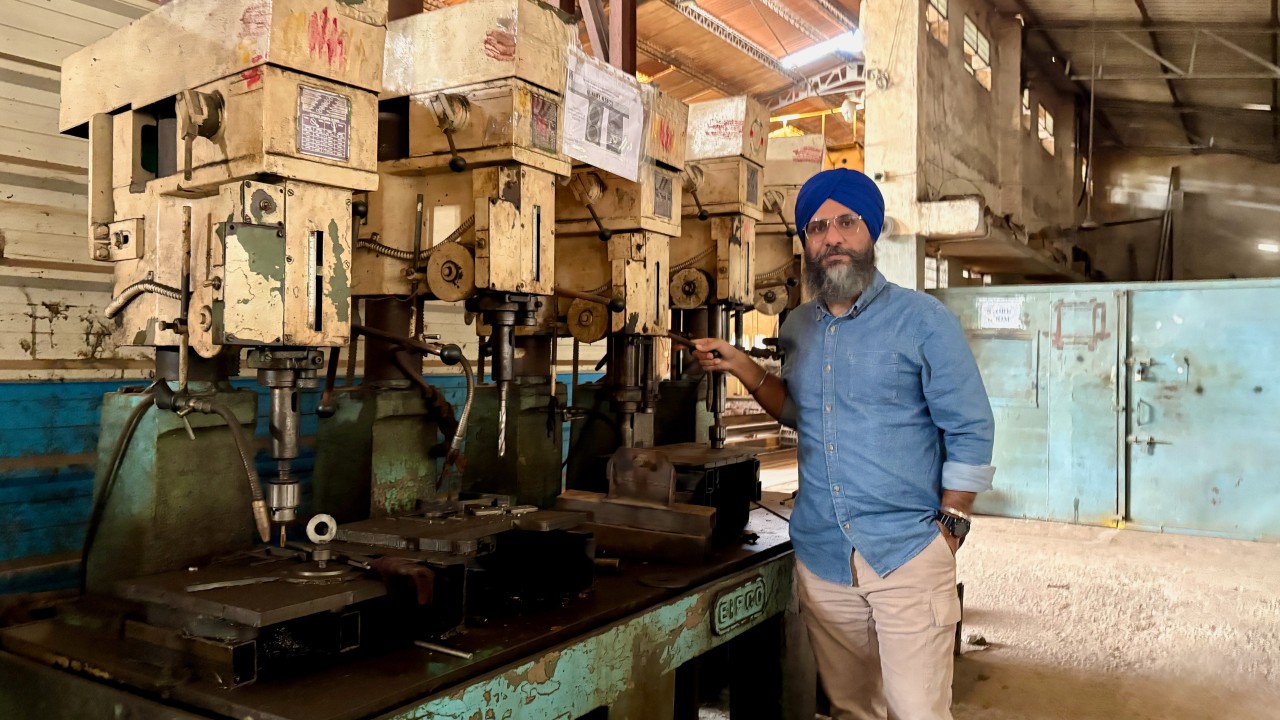
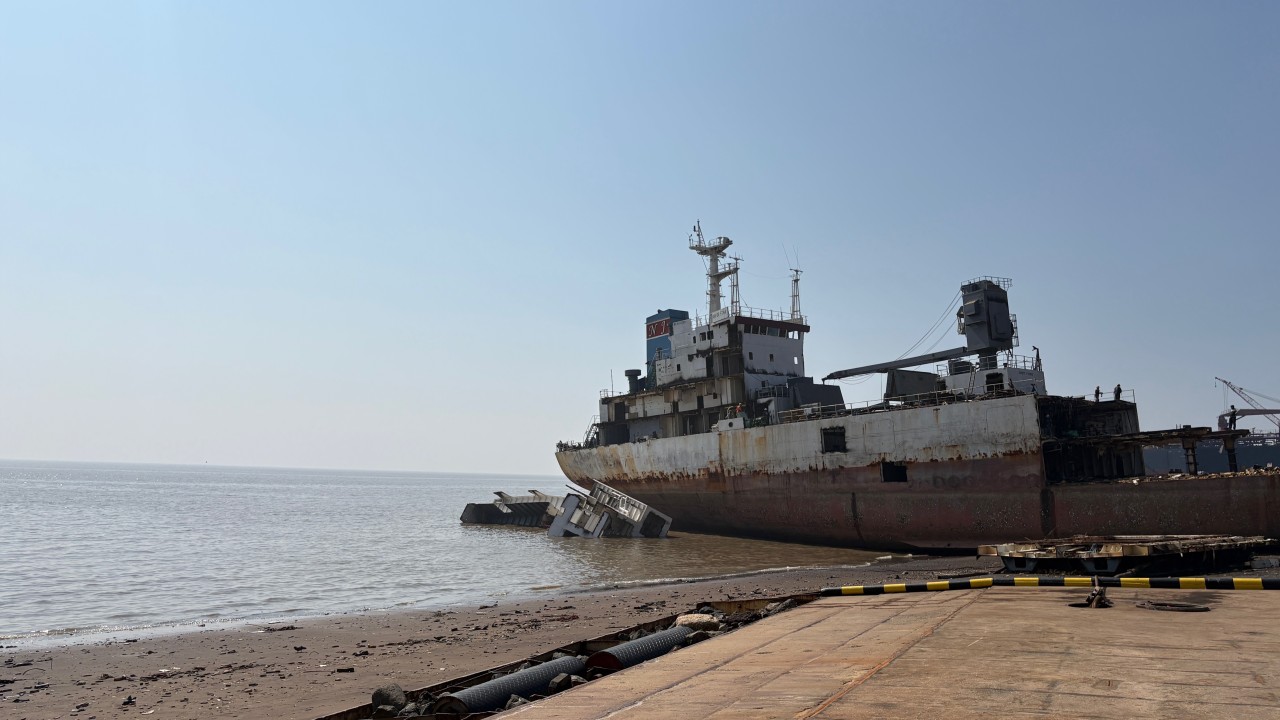
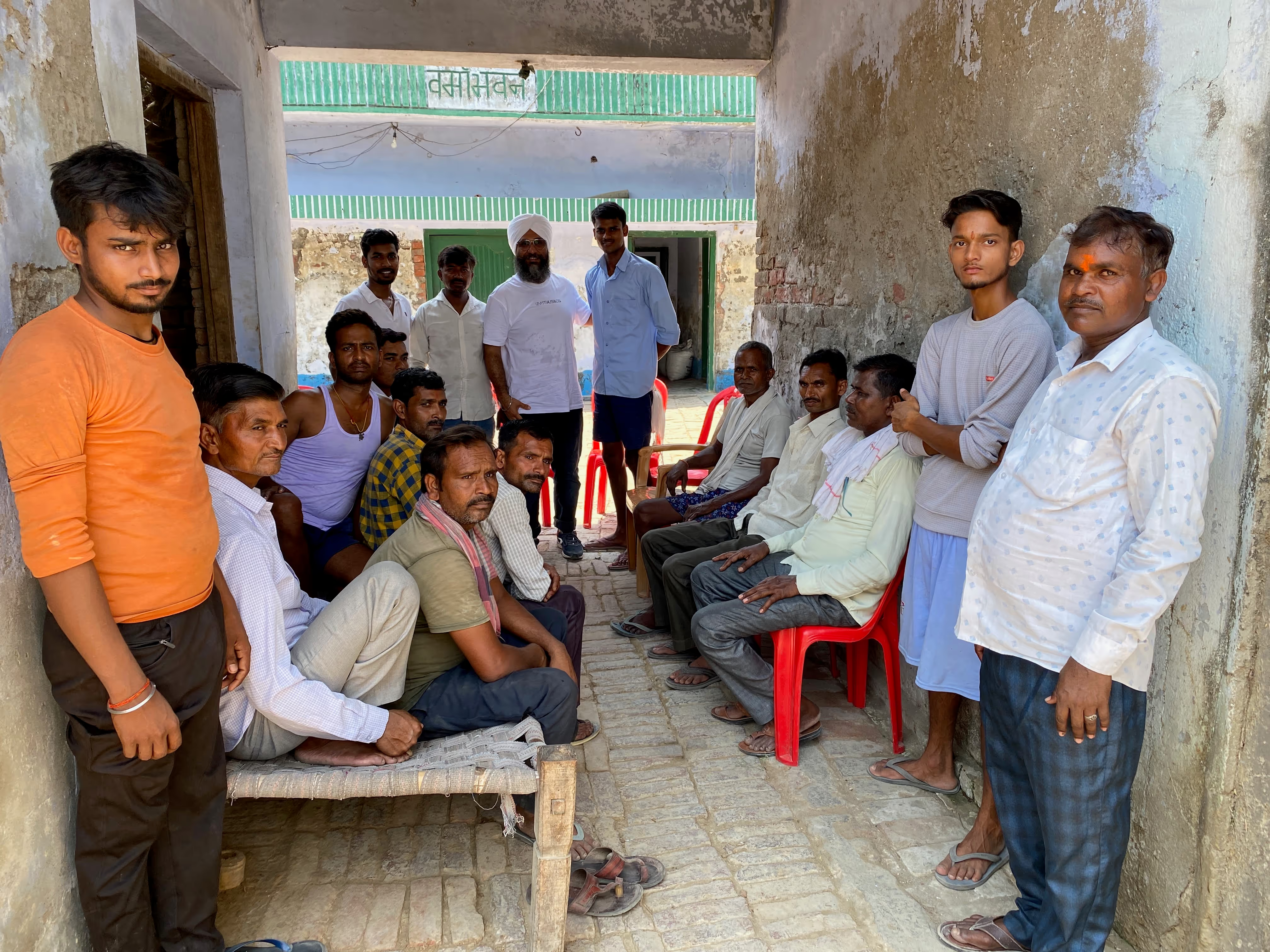
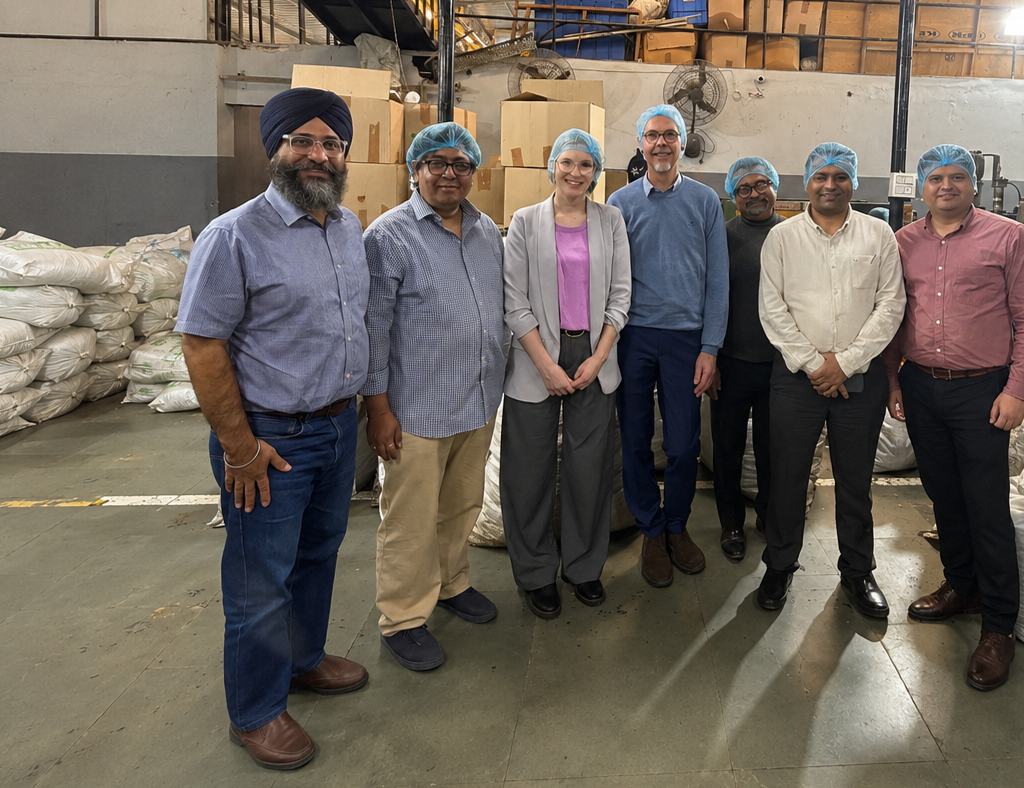
Not reviewing them from a distance. Inside them, on factory floors in Karnataka, spice processing facilities in Tamil Nadu, mint supply chains in Uttar Pradesh, shrimping operations in coastal Andhra, ship recycling yards in Gujarat.

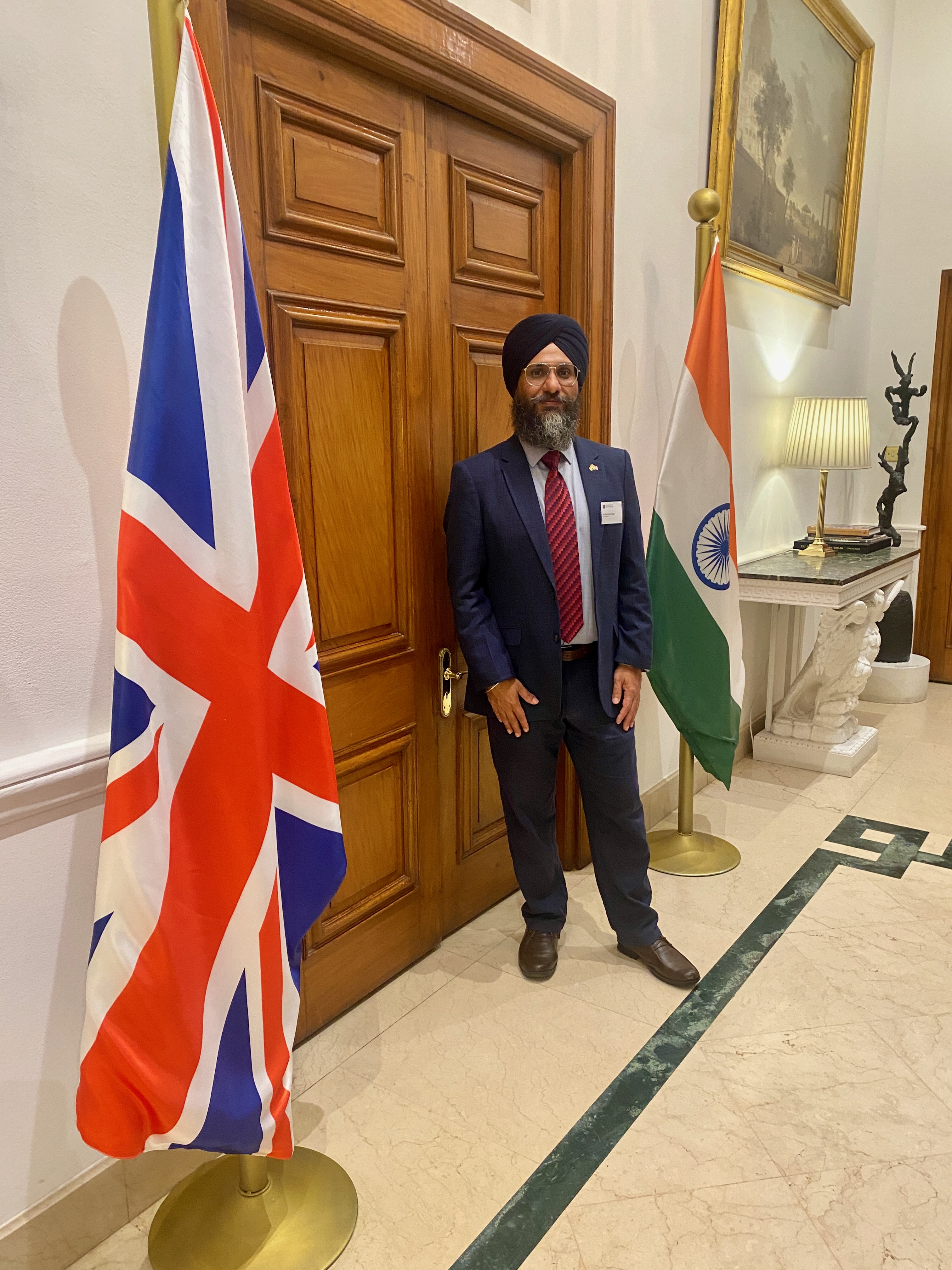
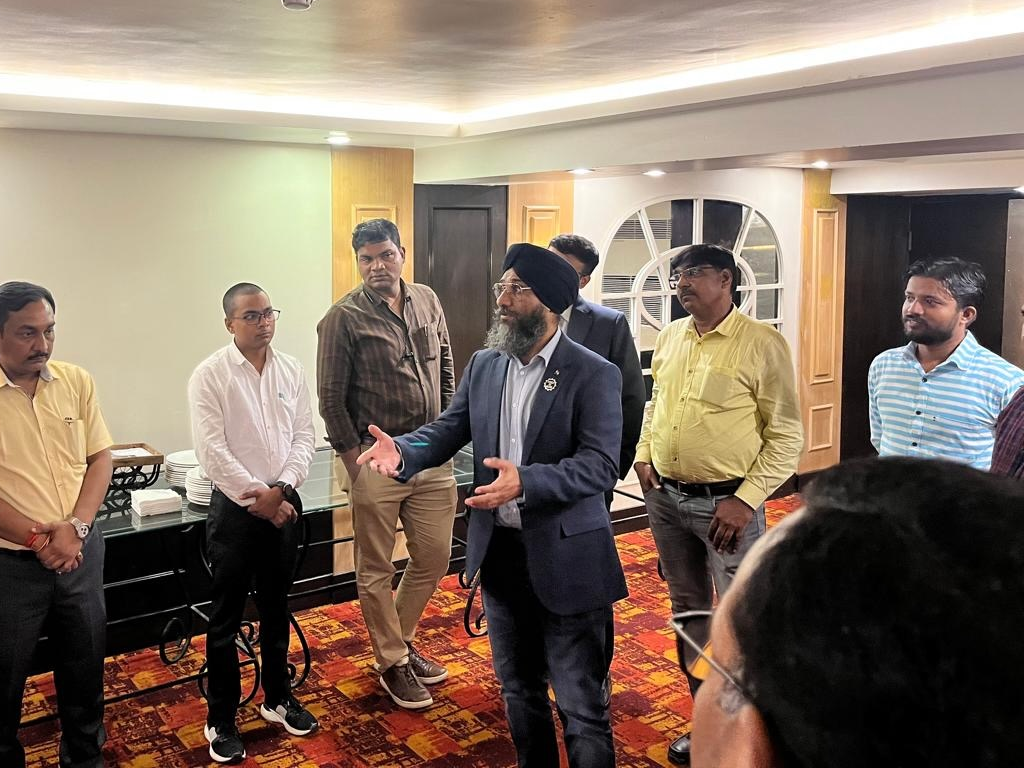
Most on-ground risk work in India comes from one of two directions: global HREDD consultants who understand the frameworks but not the ground, or local auditors who know the ground but are trained to evaluate, not engage. Rishi works in the space between, building trust with workers and suppliers that makes the real conversation possible, while staying anchored to what global companies need.
.png)
The team includes gender-balanced, locally grounded specialists with sector-specific experience in worker engagement, gender dynamics, and environmental risk, ensuring different voices are genuinely heard.
Years of practical supply chain implementation experience
ESG and HRDD implementation projects across 17 countries
Advised global think-tanks on the UN Guiding Principles on Business and Human Rights
Former Hewlett Packard supply chain leader who understands how MNCs and their supply chains really work
Human Rights Impact Assessments
Managers and Workers trained
He holds an engineering degree and an MBA. In practice, that means he can read a factory floor and a procurement requirements with equal fluency, and talk to a supplier operations director in terms they find credible, not just in the language of compliance.
Over 25 years, he has:
He holds an engineering degree and an MBA. In practice, that means he can read a factory floor and a procurement requirements with equal fluency — and talk to a supplier operations director in terms they find credible, not just in the language of compliance.
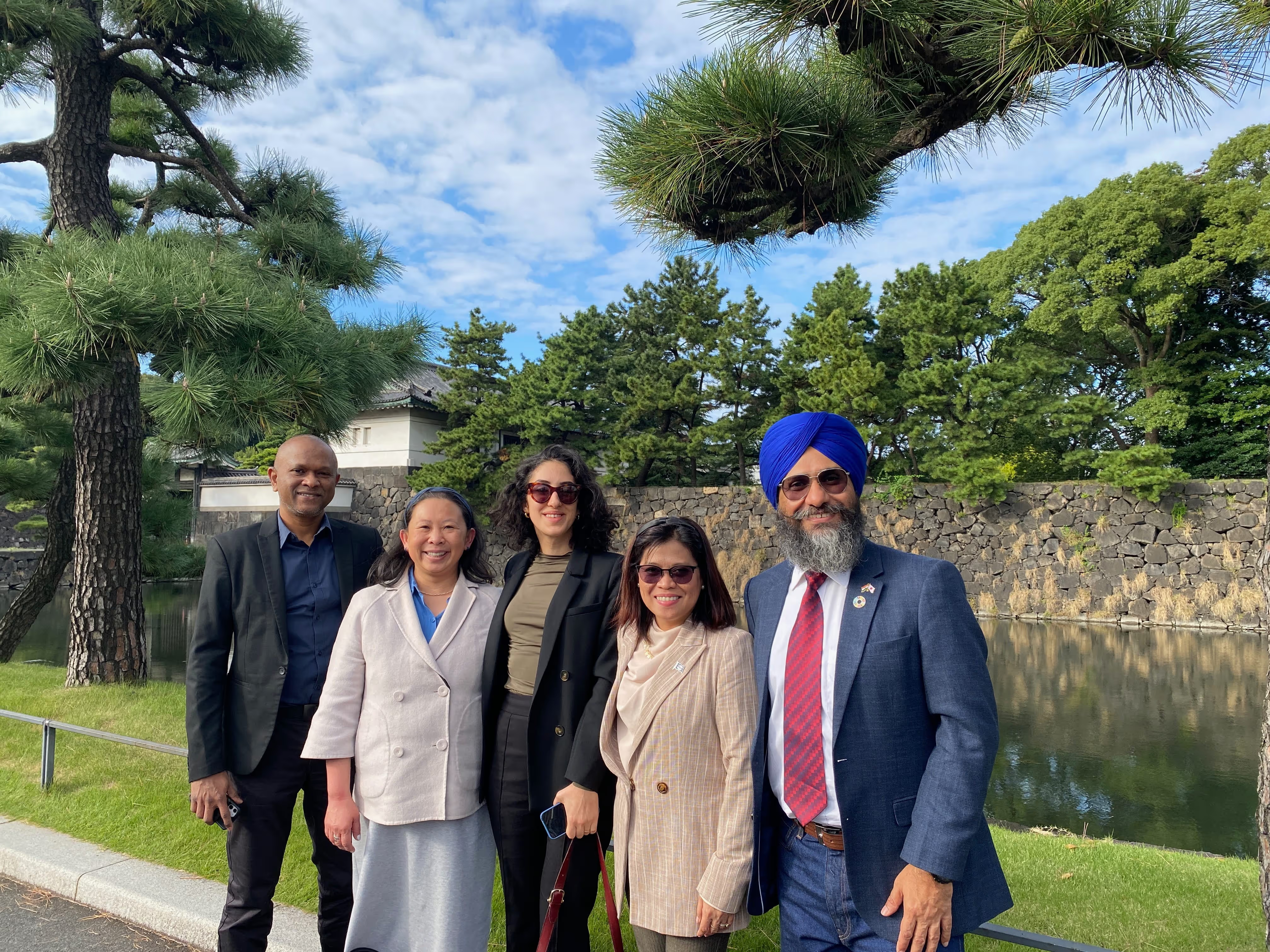
The work follows the logic of Human Rights and Environmental Due Diligence, identifying risk, engaging with the people affected, understanding severity, and supporting prioritisation. Typically two to four days per site.
Not every supplier needs the same attention. We identify priority sites based on risk exposure, workforce size, operations, geography, spend, and signals from existing audits. Time on the ground is spent where it matters most.
Before going on-site, we design the engagement approach. For human rights, this means worker dialogue formats, small groups, one-on-one conversations, structured interviews. For environmental risks, identifying key processes and operational risk areas. Ready for meaningful conversations, not just structured interactions.
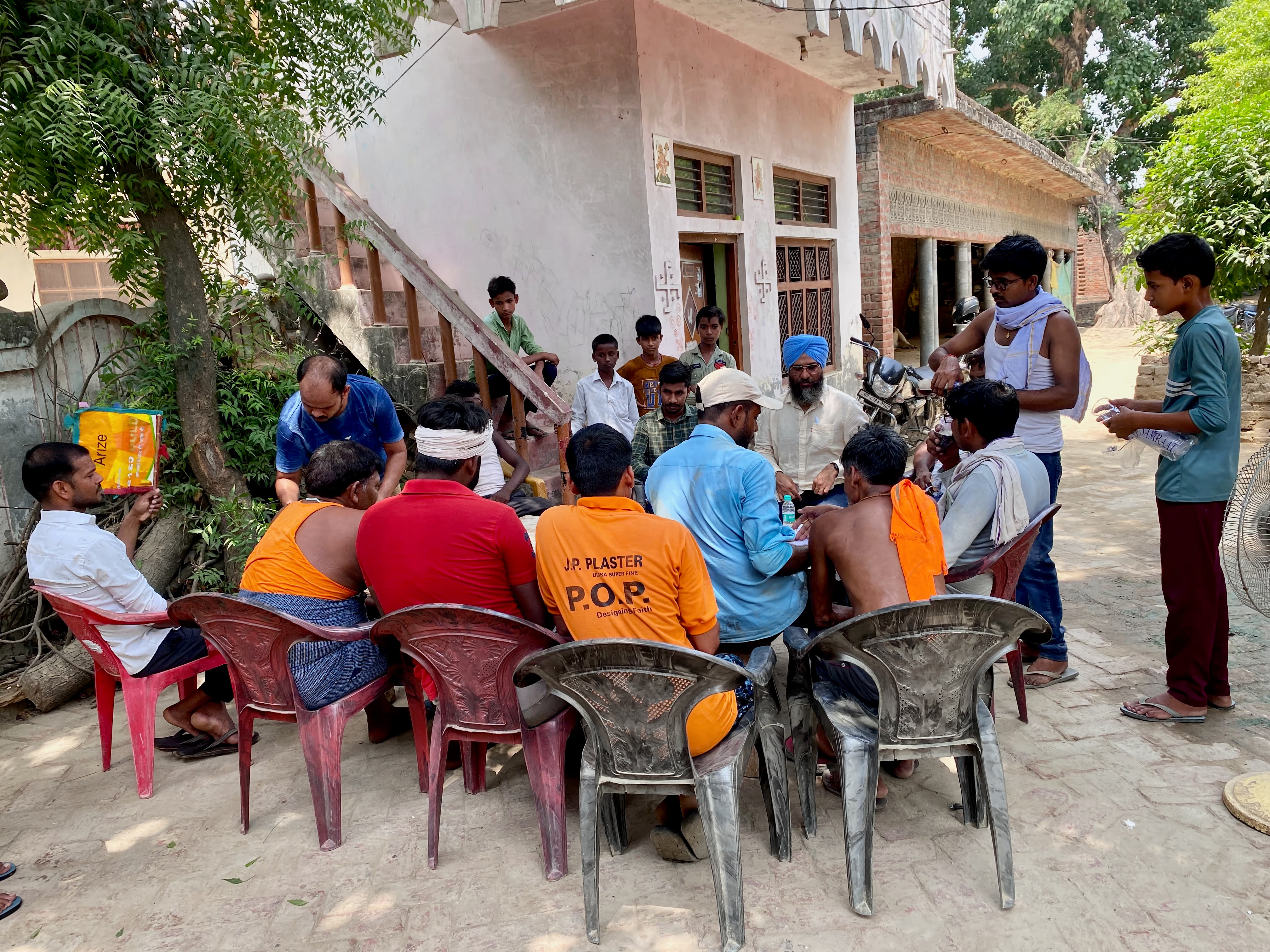
Time spent directly on-site, with workers, supervisors, and management, observing how work is actually carried out. Dialogue-led, not checklist-based. Creating conditions for people to speak openly while respecting hierarchy, culture, and daily operations.
A clearer picture emerges, not just what is reported, but what is experienced. What risks are occurring. How severe they are. Where systems aren't functioning as intended. Where management perception differs from worker reality. This is where root causes become visible.
Risks mapped across social and environmental areas, assessed for severity, connected to root causes. The output enables your team to report with confidence under HREDD, prioritise actions, and move into targeted supplier improvement.
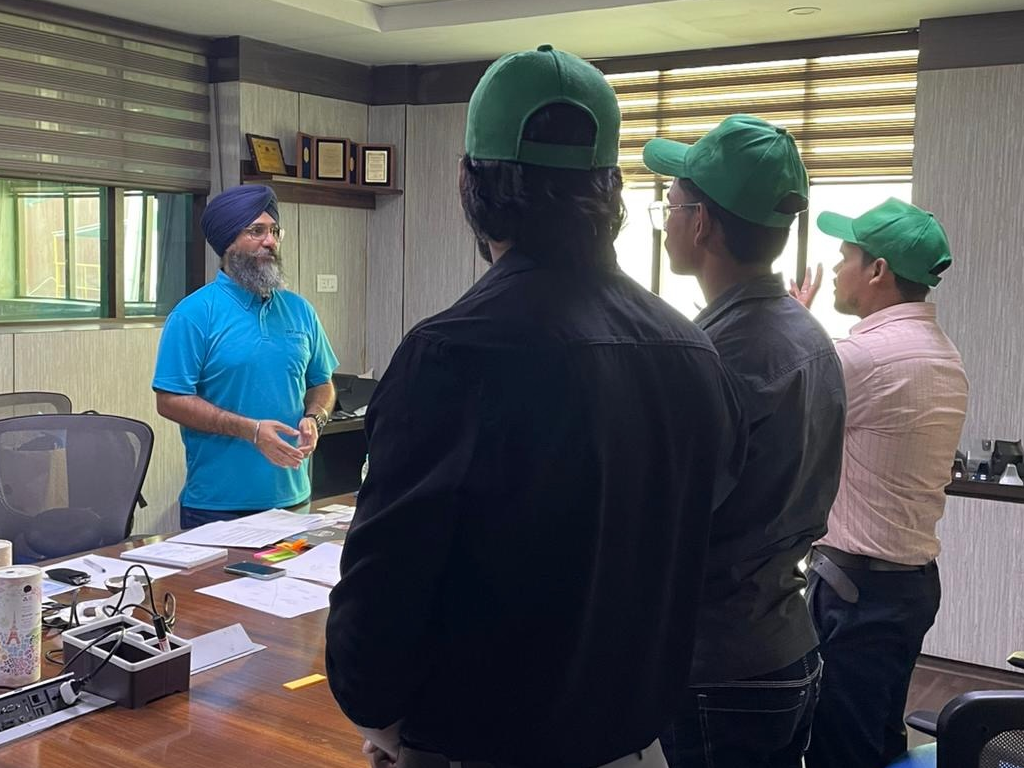
Here are the thoughts of our esteemed clients on their experience working with us.
"Rishi's team engaging with our leadership and shop-floor workers alike has helped us move beyond compliance and build sustainability into the way we do business."

Director · Virya Mobility 5.0
"CRT Japan always engages with rightsholders when conducting human rights due diligence for Japanese companies. Having a strong local partner is indispensable for these direct dialogues. In India, the team led by Rishi has been completing missions based on the UN Guiding Principles."
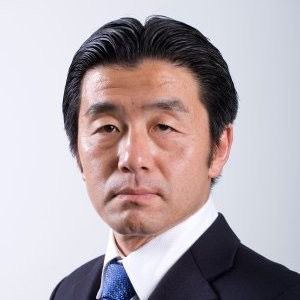
Executive Director · Caux Roundtable Japan (CRT-JP)
"World of Gears felt different. They didn't just bring us reports — they worked alongside us, listened to our challenges, and helped us find solutions that truly fit our business."

Supplier in the Mint Supply Chain, India
"Suppliers stopped managing the conversation. Workers started speaking. That's when we began to understand what was actually happening."

Director · Virya Mobility 5.0
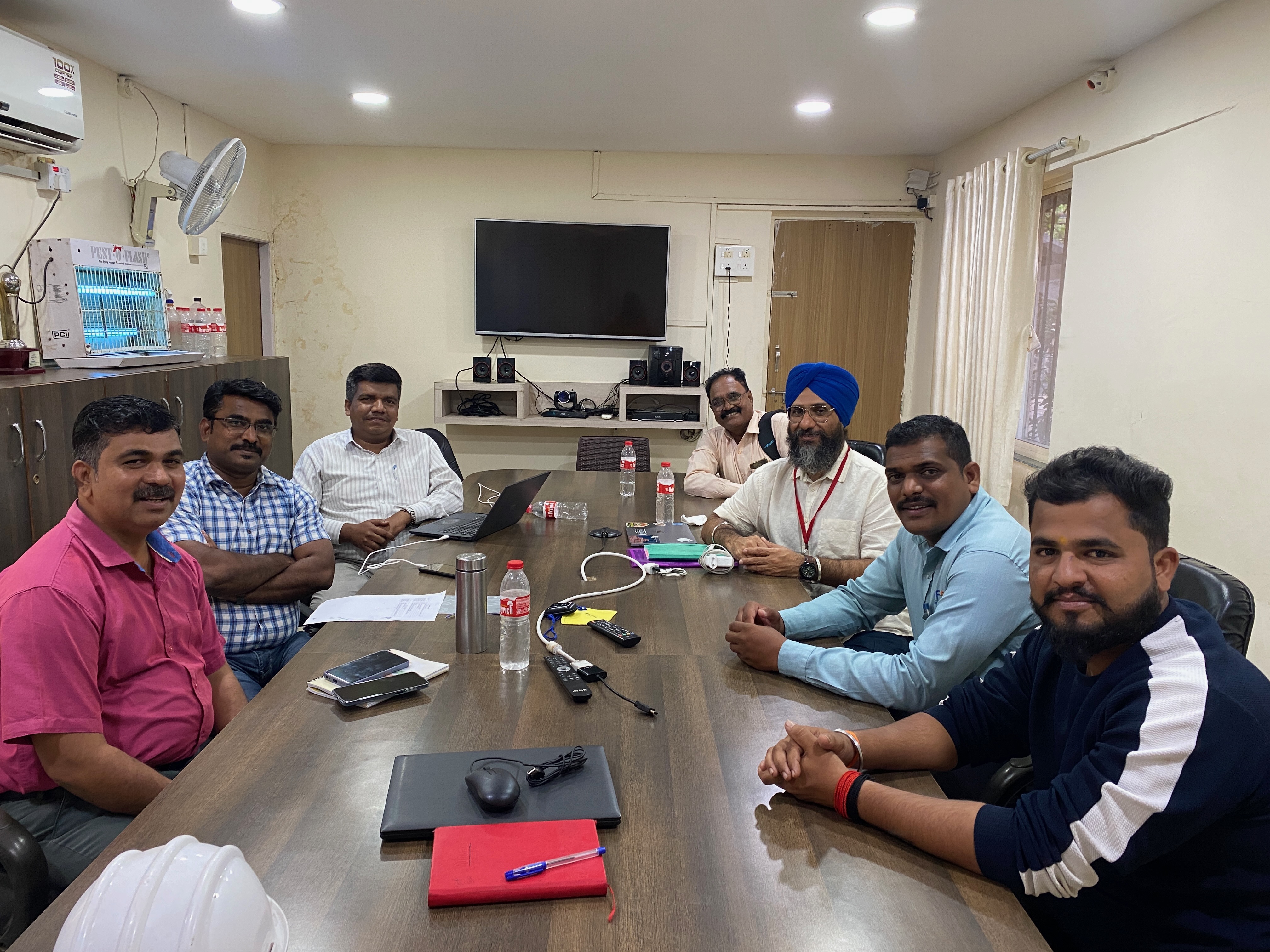


Audits had been completed, but the sustainability team still lacked confidence in what they were seeing. On-ground engagement surfaced the gaps quickly, grievance mechanisms existed but weren't being used, health and safety issues were visible in daily operations, and suppliers remained in audit mode. Through direct dialogue with workers and management, the team finally understood where systems were failing in practice, and why corrective action plans hadn't produced change.
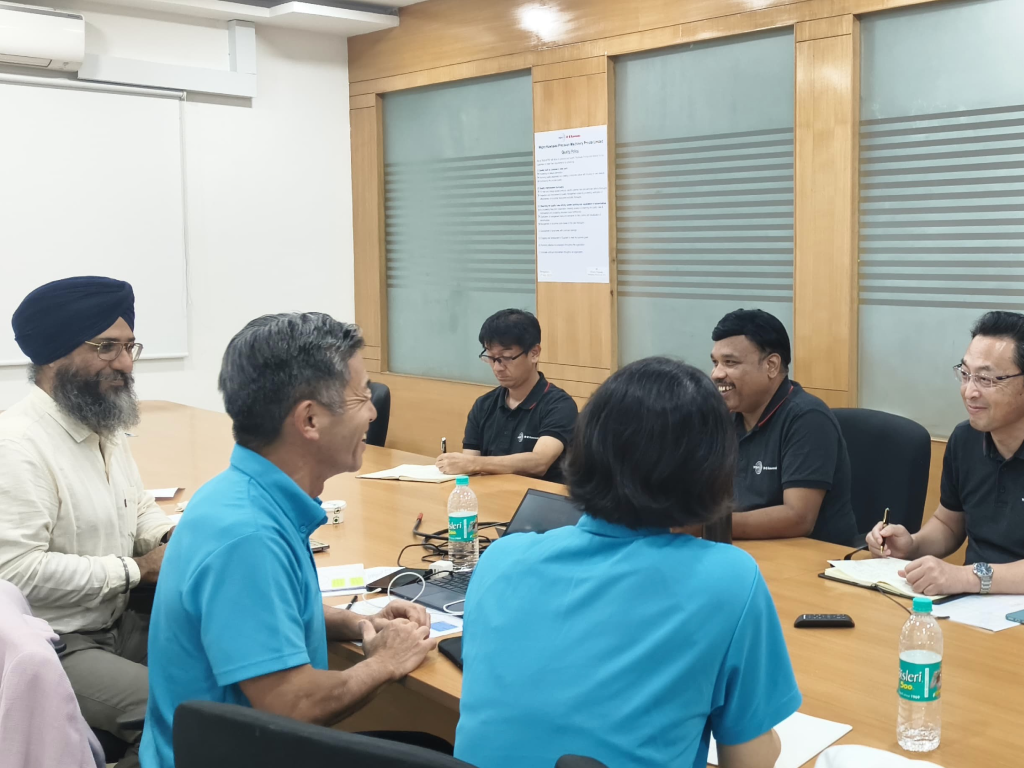

Existing processes provided structure but little visibility into on-ground conditions. Visiting supplier sites and speaking directly with workers, rather than conducting formal audits — allowed issues to surface that previous assessments hadn't reached. The company came away with a practical path forward and noticeably stronger supplier trust.

Your supply chain understanding is being tested, not just by audits, but by investors, boards, and legislation asking a harder question: do you actually know what's happening?

Under HREDD, showing that suppliers have been assessed is no longer enough. You're expected to understand how risks occur, how severe they are, and how they're experienced by rightsholders. Yet parts of supply chains remain unseen. Findings repeat. Engagement stays structured rather than open.

The cost isn't immediate, that's what makes it easy to carry on. But it shows up in boardroom questions you can't answer with confidence, in supplier issues that don't behave the way reports suggest, and in missed opportunities to improve conditions before they become a crisis.

You arrive expecting the familiar rhythm, a meeting room, presentations, prepared answers. The engagement moves on the ground quickly.
Time on the shop floor. Conversations in smaller, informal settings. As things open up, what is documented begins to separate from what is experienced. Issues that never surface in audits appear in context. Suppliers shift from managing the conversation to participating in it.
You go back to your board with something audit reports couldn't deliver a clear picture of where risks actually sit, why they persist, and what needs to change. Not a better-formatted report. A shared understanding that holds up when the hard questions come.
.png)

A 12-month advisory for Sustainability, Human Rights and Procurement leaders who need a trusted, experienced sounding board to navigate complex factory and supplier realities in India.
Expert support for Sustainability and Procurement leaders, so your next supplier visit in India surfaces what the last five didn't.
On-ground, dialogue-led engagement with supplier management and workers, helping you understand risk across both audited and unassessed parts of your supply chain.
Turning audit findings into real change on the ground. A hands-on 90-day sprint to turn audit findings into real improvements inside your supplier facilities, with on-ground coaching
.jpg)
If you're expanding in India or moving beyond compliance audits, this is where it starts.
You speak directly with Rishi. No slides, no preparation. A few questions about what audits have shown and what's still unclear. He'll tell you honestly where the gaps are and what to do next.
World of Gears takes on a limited number of engagements at any one time. If risk assessments are being planned, this is the right time to talk.
.png)
Discover insights and strategies that protect your supply chains, investments, reduce regulatory risk, and drive long-term value through responsible business practices

.png)