.png)
May 12, 2026
What works with suppliers in India, from my on-ground experience
.avif)
.webp)
.png)
.webp)

A hands-on 90-day sprint to turn audit findings into real improvements inside your supplier facilities in India, with on-ground coaching.
Ben Thornton-Jones
Ex- Director, Sustainable Supply Global Sustainability, Haleon
.png)






Already serving clients from these countries






.jpeg)


Audits are designed to assess and report, not to change behaviour. The same issues return not because they were missed, but because nothing changed in how work actually happens on the ground.
Systems that work in Europe or Japan assume structure and capacity that doesn't exist in the same way inside Indian factories and farms. What looks simple from a distance becomes complex when it meets contractor layers, informal practices, and daily operational pressure.
Policies get written. Processes get defined. But unless they are understood and used by people on the ground, they remain documents. The gap between "system in place" and "system in use" is where most risks continue to sit.
Suppliers comply with audit findings, but real change requires ownership. That only happens when suppliers are part of the process, not just recipients of instructions. Without it, actions get completed for the audit, but never embed into daily operations.
When engagement is driven by audits, suppliers respond accordingly. They prepare, present, and protect. What's missing is a way of working where suppliers feel supported to improve, not just assessed.
The meeting is designed for agreement, not understanding. The pressure to say yes, to protect the relationship, to keep the contract — it shapes every answer in that room. The real constraints, the ones that determine what actually changes after you leave, rarely make it onto the table.
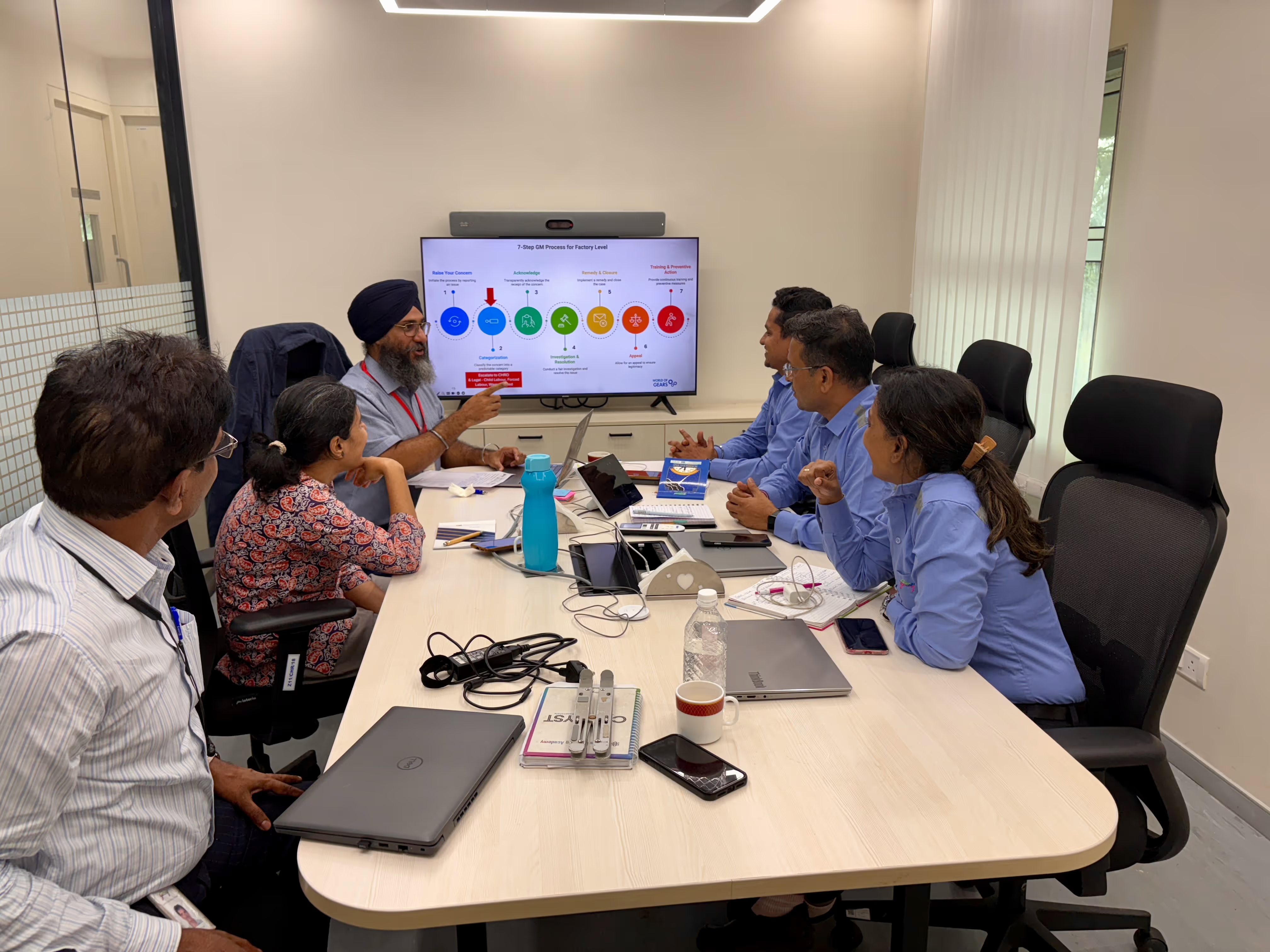
Forms get completed. Photographs get taken. What doesn't happen is a frank conversation about what's going wrong, why it keeps going wrong, and what it would actually take to fix it. The gap between what's documented and what's real stays exactly where it was.
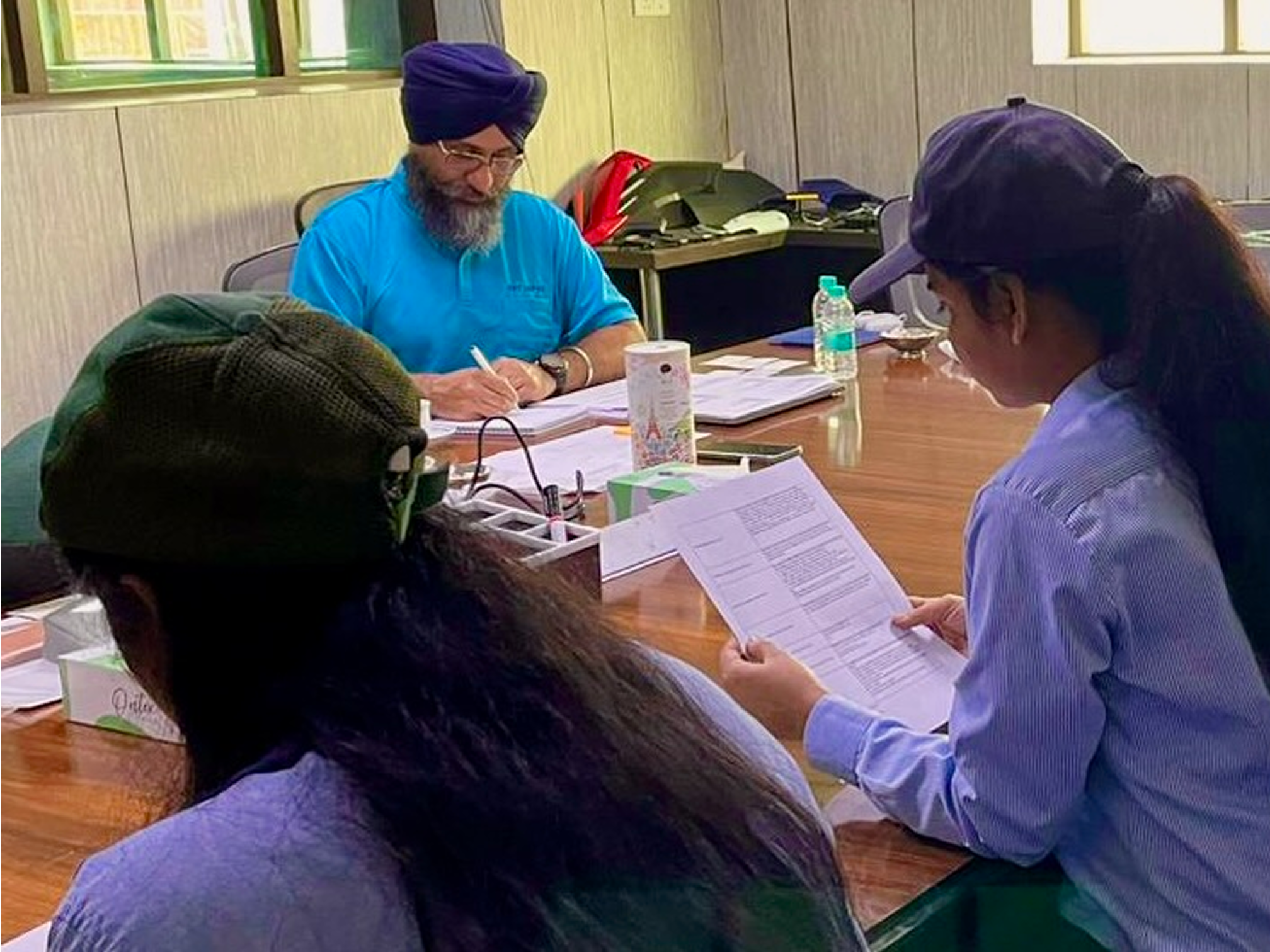
The EU's Corporate Sustainability Due Diligence Directive, the German Supply Chain Act, the UK Modern Slavery Act — these aren't future considerations. The question your board and investors are now asking isn't whether you conducted a supplier visit. It's what you found, and what changed as a result.
.png)
.png)
You have suppliers in India where the same issues keep coming up despite multiple audits
You’re under pressure to show how ESG and human rights policies translate into real action
You have strategic suppliers you can’t easily replace — and need to improve
Your sustainability and procurement teams both see the problem — and are willing to work together to solve it
You’re ready to move beyond audits and invest time in real, on-ground change
.png)
You are only looking for audits, certifications, or compliance reports
You want a standard, remote, template-driven ESG or HRDD programme
You expect suppliers to fix issues on their own after receiving audit findings
You are not able to invest time engaging with suppliers beyond formal reviews
You are looking for quick fixes without changing how engagement actually happens
.jpeg)

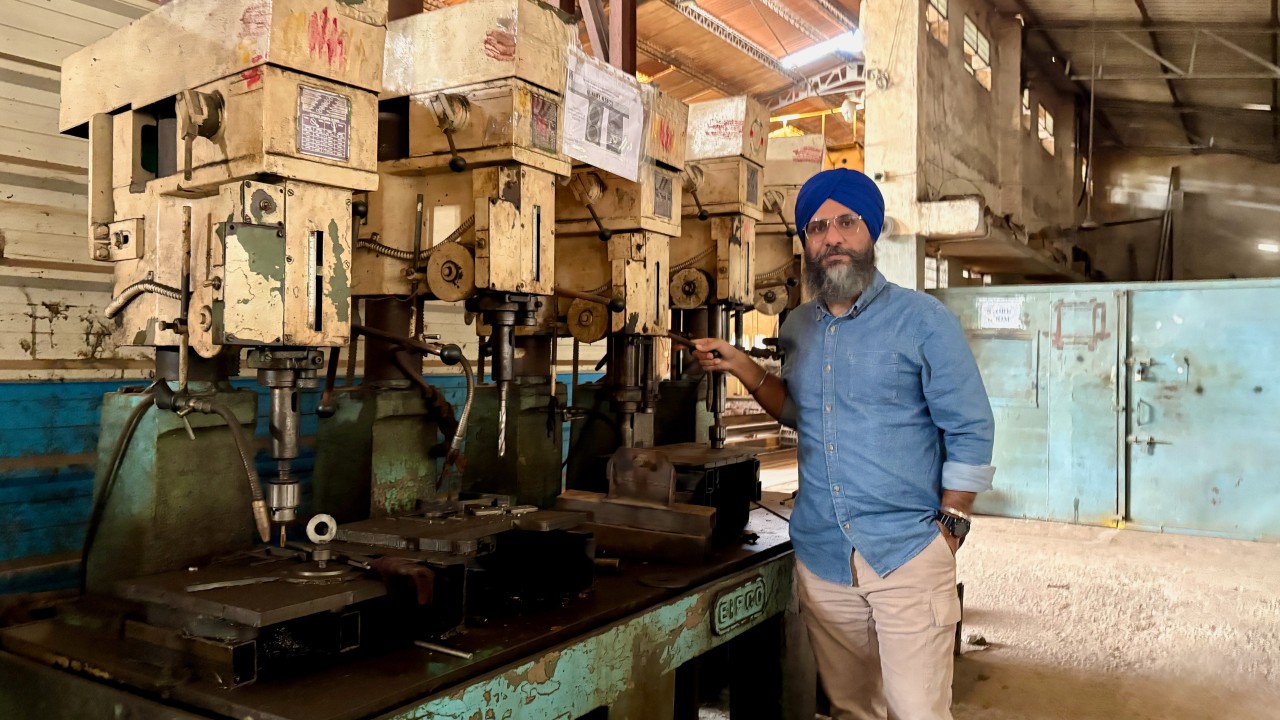
Rishi didn't come into this work through frameworks. He came into it through factories and farms, starting on the shop floor, working his way up through operations and supply chains.

Mint units in Uttar Pradesh. Sugar mills in Maharashtra. Garment factories in Tirupur. Farms in Andhra Pradesh. Across 25 years and 100+ engagements, one thing kept repeating: the gap was never about knowing what was wrong. It was about how to fix it on the ground.
His approach is grounded in Kaizen, learned directly from Professor Yamaguchi, one of its leading teachers.
.png)
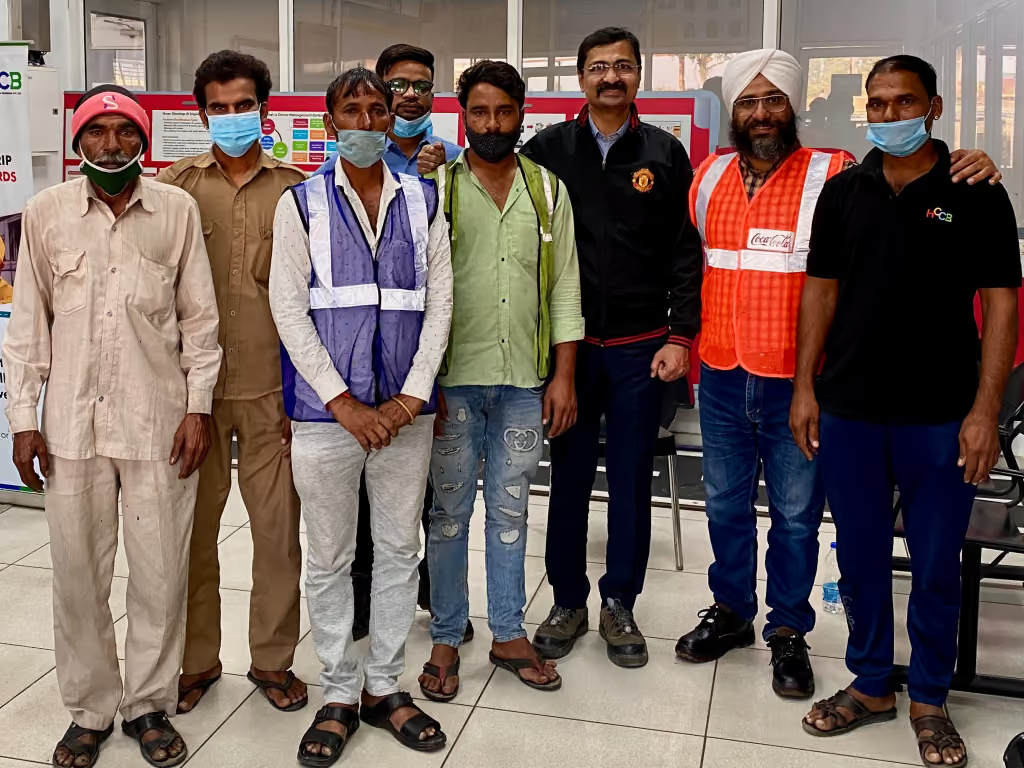
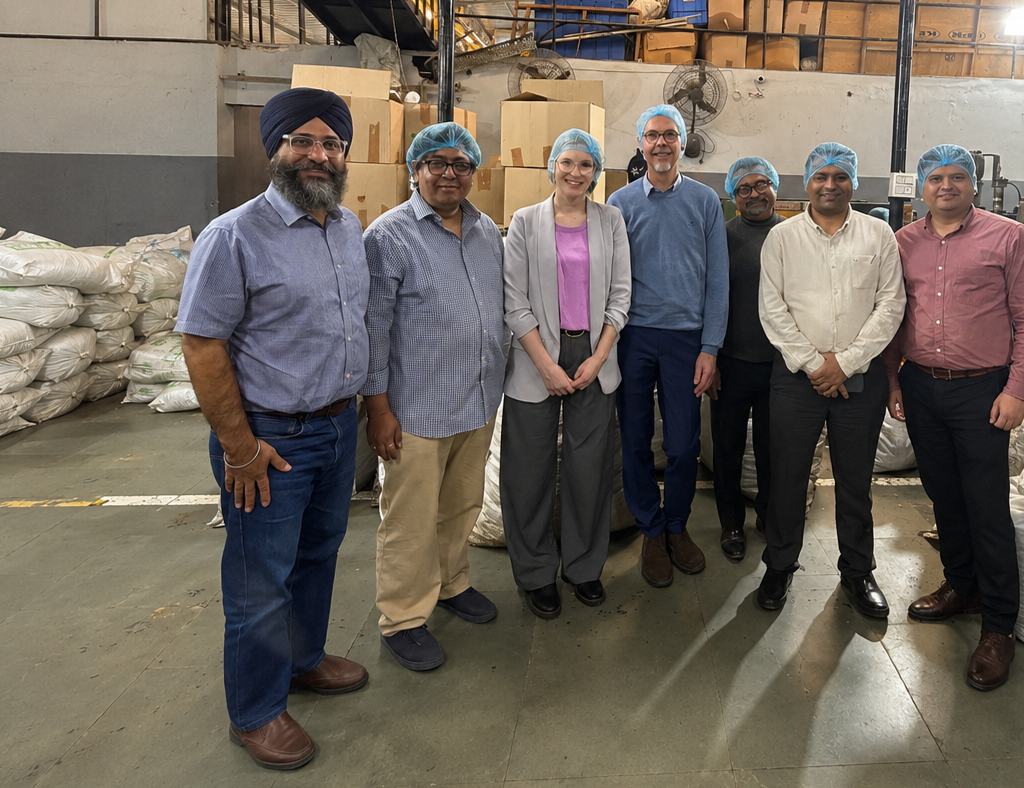
Suppliers see Rishi differently, not as someone evaluating them, but as someone who has worked inside systems like theirs. He's directly involved in every engagement, backed by a small team with 15+ years each in factories and supply chains, working alongside supplier teams until change holds.
Years of practical supply chain implementation experience
ESG and HRDD implementation projects across 17 countries
Advised global think-tanks on the UN Guiding Principles on Business and Human Rights
Former Hewlett Packard supply chain leader who understands how MNCs and their supply chains really work
Human Rights Impact Assessments
Managers and Workers trained
He holds an engineering degree and an MBA. In practice, that means he can read a factory floor and a procurement requirements with equal fluency, and talk to a supplier operations director in terms they find credible, not just in the language of compliance.
Over 25 years, he has:
He holds an engineering degree and an MBA. In practice, that means he can read a factory floor and a procurement requirements with equal fluency — and talk to a supplier operations director in terms they find credible, not just in the language of compliance.
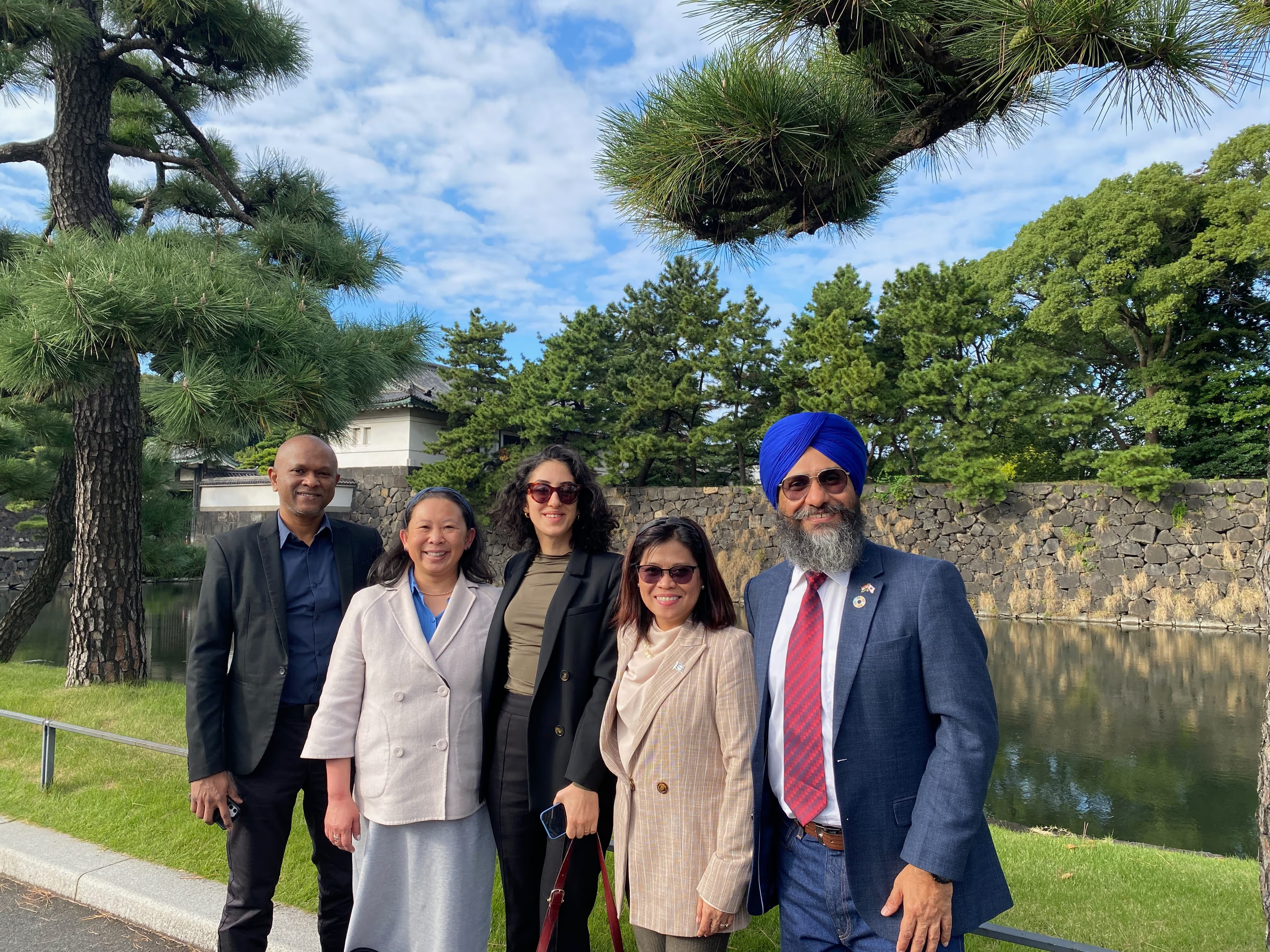
Over 90 days, we work inside supplier facilities, with management, supervisors, and workers, to turn audit findings into improvements that actually hold.
The work begins by aligning with your team and the supplier, not just on what needs to improve, but why it matters and where things are breaking down. Priorities are clarified: which risks are critical, where the gaps really sit, and who within the supplier needs to take ownership. Without this shared clarity, improvement efforts drift.
Within days, we are on the ground, inside the factory or farm — working with supervisors, HR teams, contractor managers, and workers. The focus is on understanding how work actually happens in real conditions. Where systems hold, where they break, and what gets bypassed. This ground-level view is what makes the difference between theory and something that can actually work.
Instead of handing over action plans, we work alongside supplier teams to shape solutions they can own. Changes are developed in context, small, practical, and tested in real situations. Improvement that is imposed rarely lasts. Improvement that is built together tends to hold.
The focus shifts to making systems usable in daily operations. Policies are translated into simple practices, grievance mechanisms workers trust, safety practices that hold during busy periods, contractor management that works on the ground. The goal is not perfect systems, but systems people can and will use.
Improvement happens when real issues come up. We stay engaged through those moments, coaching teams as they respond, supporting decisions, and strengthening capability. Over time, managers and supervisors begin handling situations independently. Improvements become part of how the site operates, not something driven from outside.

Here are the thoughts of our esteemed clients on their experience working with us.
“What stood out most was their human approach — engaging directly with our workers, guiding our managers with patience, and making us feel like real partners. For the first time, sustainability felt less like a compliance demand and more like a way to strengthen both our business and our people.”

Uttar Pradesh
“The World of Gears team felt like part of our own team. They took the time to understand our situation, explained the expectations clearly, and helped us see where we could improve. What made the difference was that they stayed with us in the factory — working through the changes as they happened. We’ve seen real improvement, and our customer has noticed it too.”
Sugar Mill, Maharashtra
“World of Gears helped us implement grievance mechanisms across our factories in a practical way. By training our managers and supporting worker awareness, they created real ownership on the ground. Today, workers are actively raising improvement ideas, and trust in the system has grown significantly.”
FMCG Company, India


A leading Indian manufacturing group had a grievance mechanism aligned with UNGPs. At factory level, it wasn't being used — workers didn't trust it, managers were unsure how to handle cases. The work focused on three sites: senior managers were trained using real scenarios, worker awareness sessions were run across shifts in simple local language, and teams were coached as real grievances came in. Over time, factory teams became confident handling cases independently. Workers began raising issues more openly — including sensitive concerns that had previously stayed hidden. The system moved from a compliance requirement to a locally owned, trusted process.


A fast-growing EV manufacturer had safety policies in place, but shop-floor practices were inconsistent — especially during high-production periods. Rather than introducing new systems, the approach focused on making existing ones work in real conditions. Supervisors were coached through real scenarios, learning to identify and act on risks themselves. Near misses were discussed more openly. Interventions happened earlier. The result was a visible, sustained shift in safety behaviour — driven by factory teams and holding even under operational pressure.

Without real improvement, the same risks sit inside your supplier operations, year after year. For critical suppliers, this creates a slow strain. Trust weakens. Assurance of stable, responsible supply becomes uncertain.

Budgets keep going to repeated audits without proportional improvement. Reporting gets harder to stand behind as questions shift from "what did you assess?" to "what actually changed?"

As India becomes a key sourcing and growth market, these gaps reach beyond compliance. Expanding with suppliers that aren't improving increases exposure, limits confidence, and pressures long-term plans — especially for companies that lead with values, not just revenue.

It starts with a conversation — not to review findings again, but to understand what is actually getting in the way. Within days, Rishi is on the ground — walking the factory floor, sitting with managers, supervisors, and workers, seeing how things actually operate.
There is no big launch. The work begins in small, practical ways — guiding a supervisor on a safety issue, helping a manager handle a grievance, working through real situations as they come up. We don't implement the changes for the supplier. We guide the process — enabling their teams to take ownership.
Over time, confidence builds. Managers handle issues independently. Supervisors catch problems earlier. Workers engage more openly. Systems don't become perfect — but they start working.
By the end of 90 days, the shift is visible — not just in documents, but in how the site runs day to day. The supplier relationship strengthens. You have tangible improvements to stand behind in your reporting. And your values around people and responsible sourcing are no longer statements — they're visible on the ground.
.png)

A 12-month advisory for Sustainability, Human Rights and Procurement leaders who need a trusted, experienced sounding board to navigate complex factory and supplier realities in India.
Expert support for Sustainability and Procurement leaders, so your next supplier visit in India surfaces what the last five didn't.
On-ground, dialogue-led engagement with supplier management and workers, helping you understand risk across both audited and unassessed parts of your supply chain.
Turning audit findings into real change on the ground. A hands-on 90-day sprint to turn audit findings into real improvements inside your supplier facilities, with on-ground coaching
.jpg)
If you’re moving beyond supplier audits — and want to see real improvement on the ground at your suppliers — let’s talk.
In 30 minutes with Rishi, you’ll get practical clarity on how to turn audit findings into changes that actually work inside factories and farms.
You speak directly with Rishi. No slides. No preparation. He'll ask a few focused questions — what audits have been done, what keeps repeating, where things are getting stuck. From that, he'll tell you honestly where the gap is and what to do next.
World of Gears takes on a limited number of engagements at any one time. Rishi is directly involved in each one. If you have key suppliers in India where improvement matters, this is the right time to talk.
.png)
Discover insights and strategies that protect your supply chains, investments, reduce regulatory risk, and drive long-term value through responsible business practices

.png)